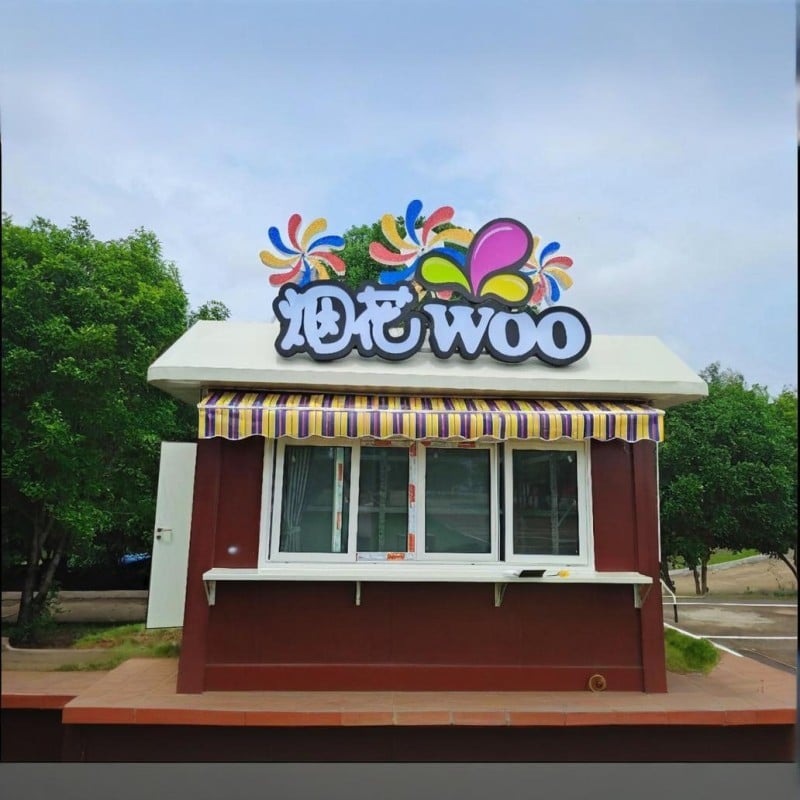
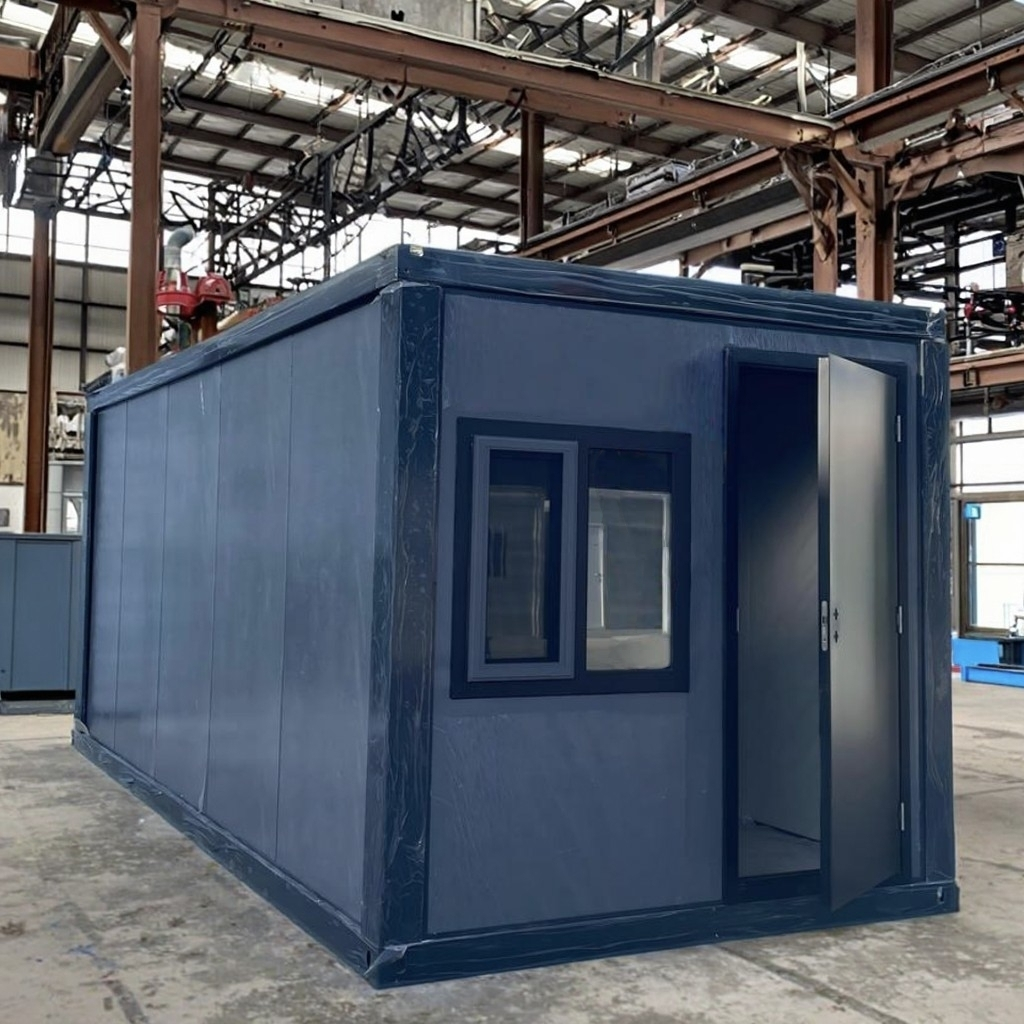
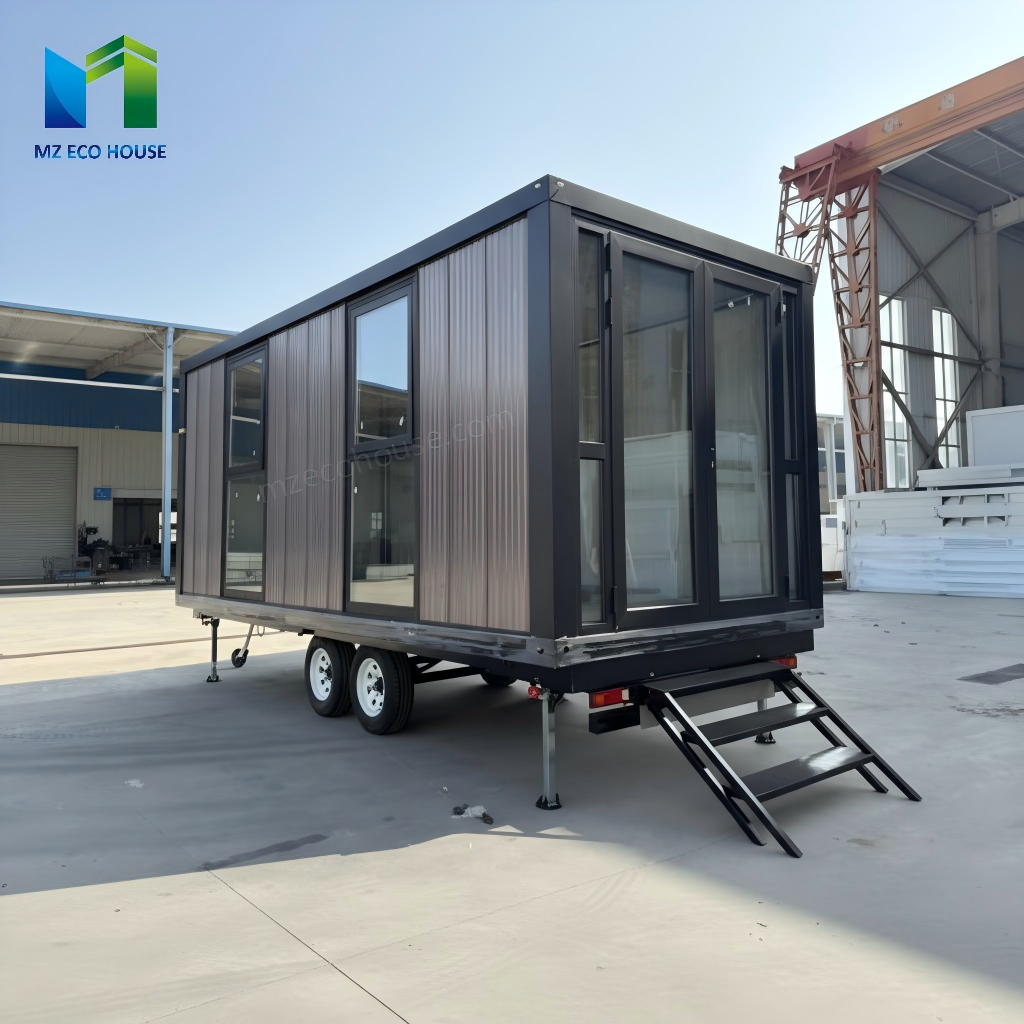
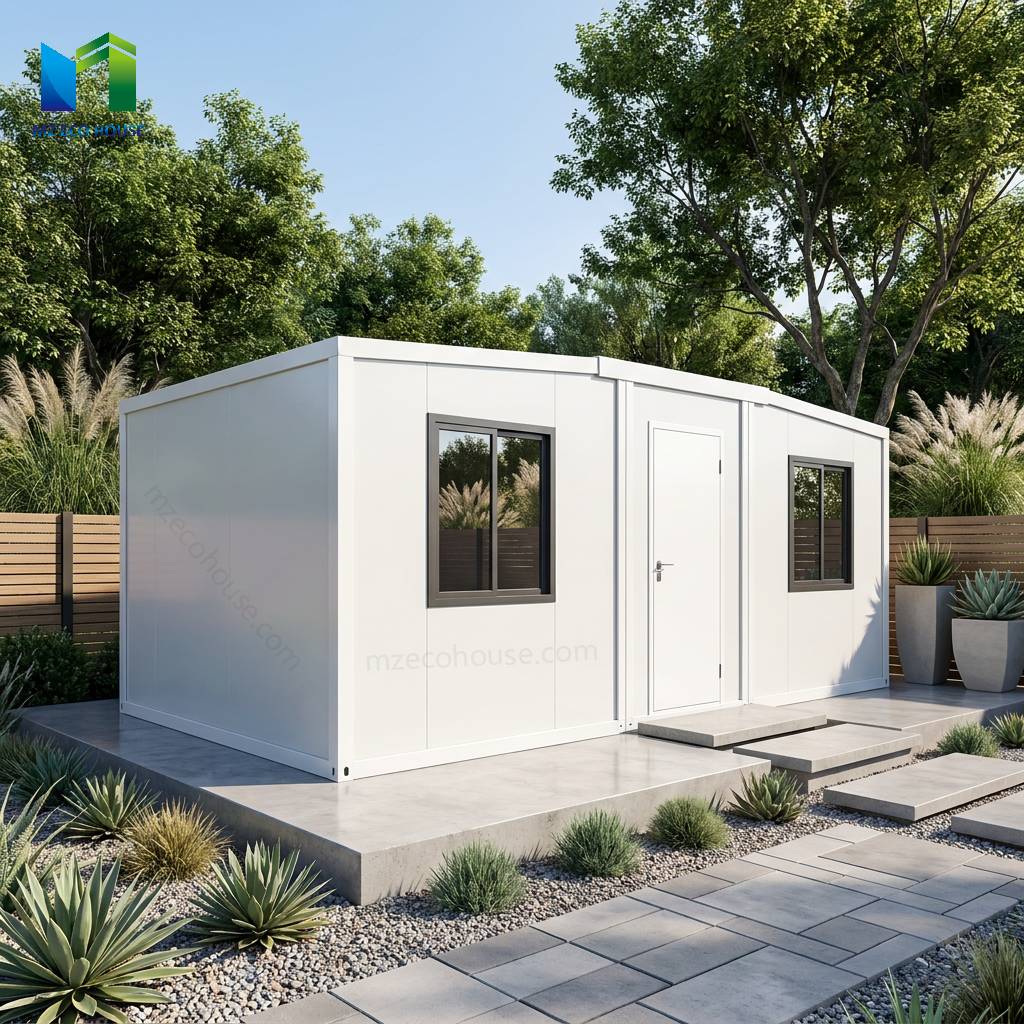
Viimase kahe aasta jooksul on üha rohkem kliente näidanud huvi konteinerpoodide vastu. Põhjus on lihtne: traditsioonilised füüsilised poed nõuavad kõrgelt investeeringut, pikk ehitusaeg ja kõrged lahkumiskulud, samas kui konteinerpoed on palju paindlikumad ja kuluefektiivsemad haldamiseks. Nad on muutunud peamiseks kaubandusruumiks ning neid kasutatakse laialdaselt turismipiirkondade teenindusobjektidena, kaubandustänavatel, kogukonnaetailisalas ja brändide reklaamikampaaniates.
I. Miks valivad üha rohkem inimesi konteinerpoodi?
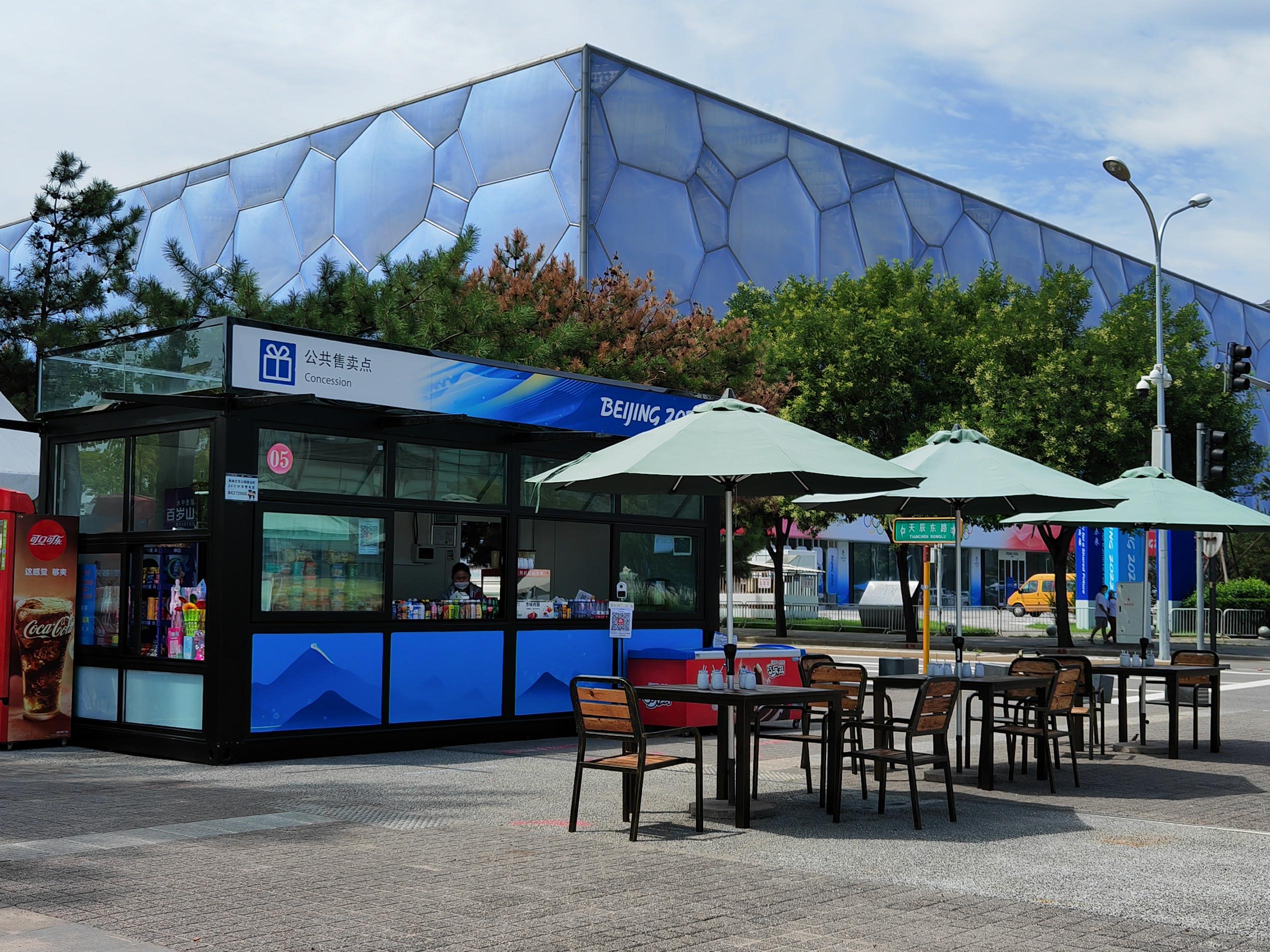
1. Lühike ehitusaeg – ideaalne kiireks käivitamiseks
Eelvalmistatud tehases ja paigaldatud objektil – avamine toimub palju kiiremini kui traditsiooniliste poodide puhul.
2. Kontrollitav investeerimiskulu
Mitte ainult madalad kulud, vaid rahad investeeritakse taaskasutatavatesse varadesse.
3. Lihtne looda atraktiivne kaubanduslik välimus
Stiilne esipilt, klaasist ekspordikapid ja valgusefektid on lihtsalt saavutatavad.
4. Ideaalne katsetamiseks enne laiendamist
Testige ärimudel esmalt ühes müügipunktis ja laiendage seejärel partiisidena.
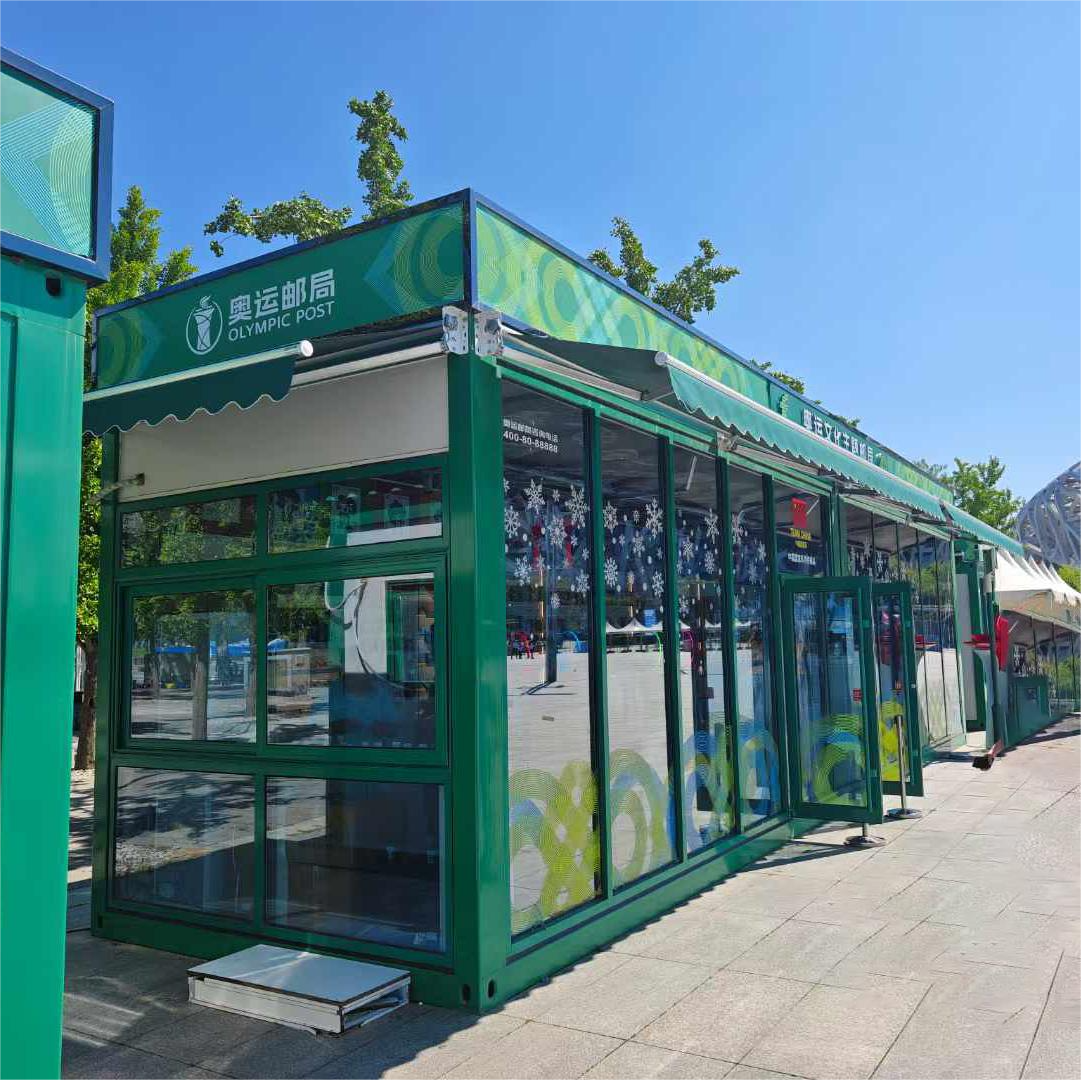
1. Müügi- ja tarnetüüp (supermarketid / mugavuspoed)
Tüüpilised stsenaariumid: turismipiirkonna kioskid, parkide mugavuspoed, kogukondade jaemüügipunktid
Põhieelised: kõrge tõhusus, vastupidavus ja kulude kontroll
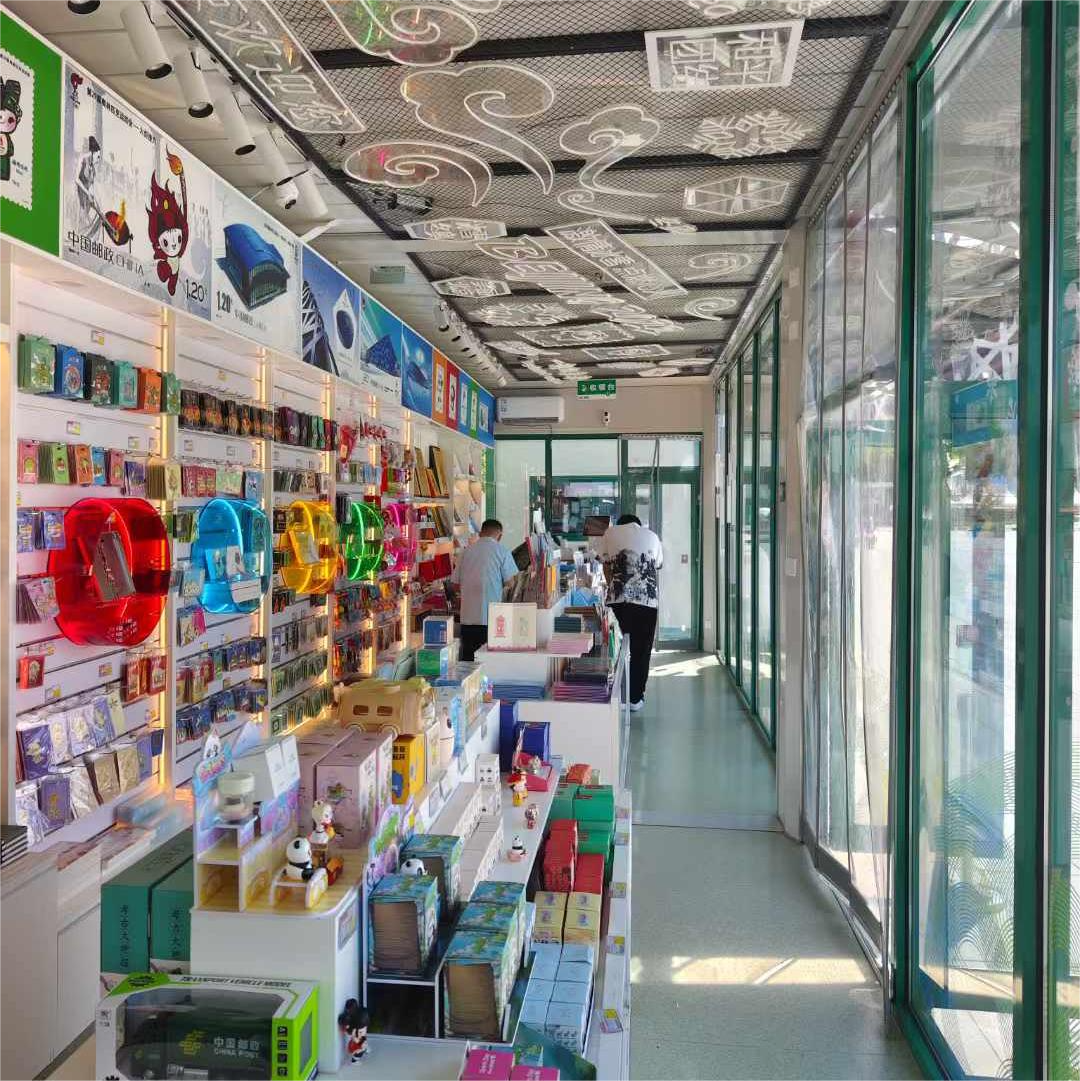
2. Näituse- ja jaemüügitüüp (kultuurilise loomupärase tegevuse / brändi jaemüük)
Tüüpilised stsenaariumid: kultuurilis-loomupärase tegevuse poed, turismipiirkondade suveniiripoed, kohvipoed ja kergete kaupade jaemüügipoed
Põhieelised: erinäoline näituseefekt, kodune atmosfäär ja tugev brändipilt
3. Üritus- ja turundustüüp (brändi ajutised poed)
Tüüpilised stsenaariumid: kaubanduskeskuste ajutised poed, linnaüritused, festivalinäitused
Tuuma eelised: kõrge atraktiivsus, hea suhtlusmõju, lahtivõetav ja mitmekordselt kasutatav
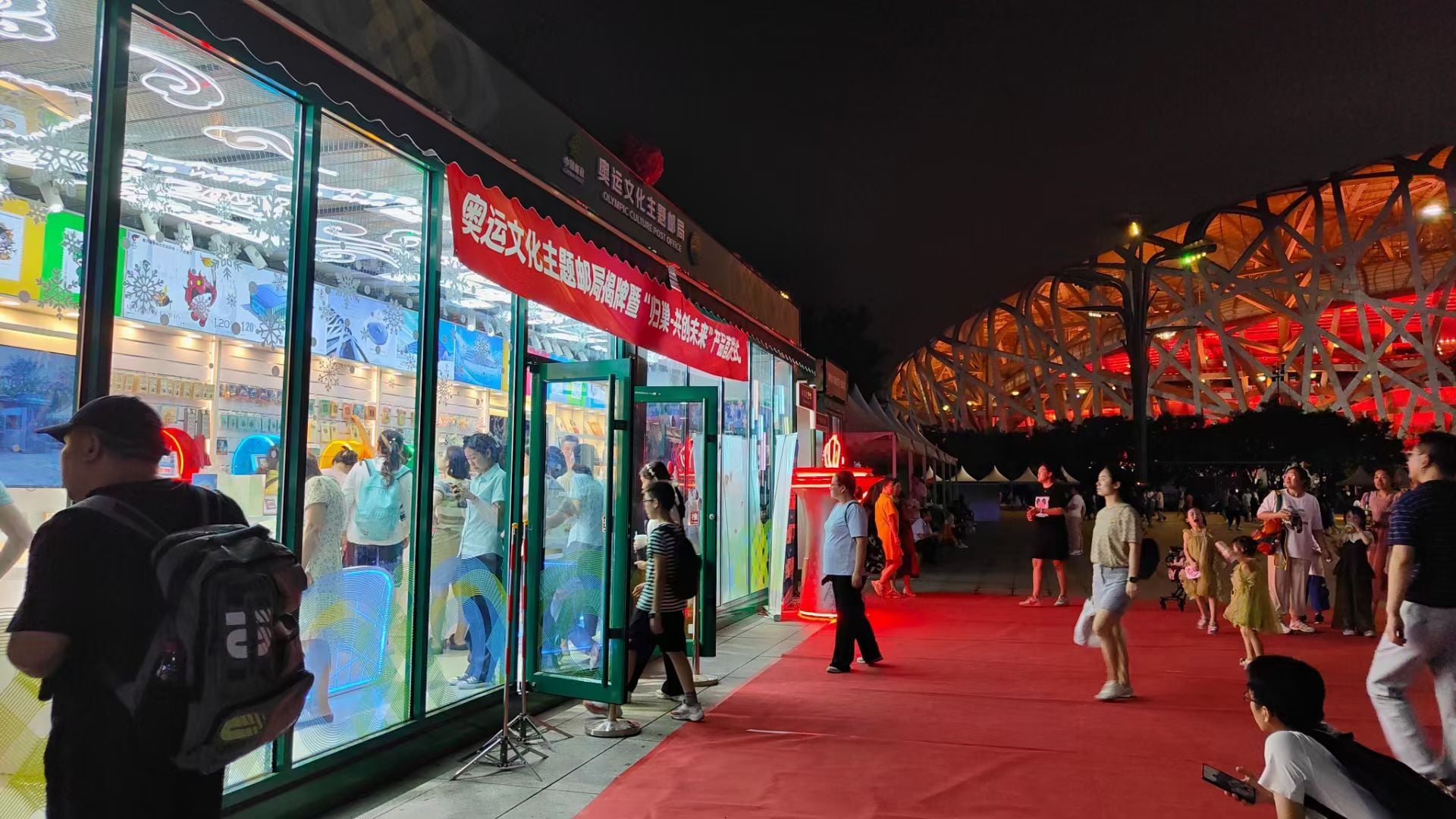
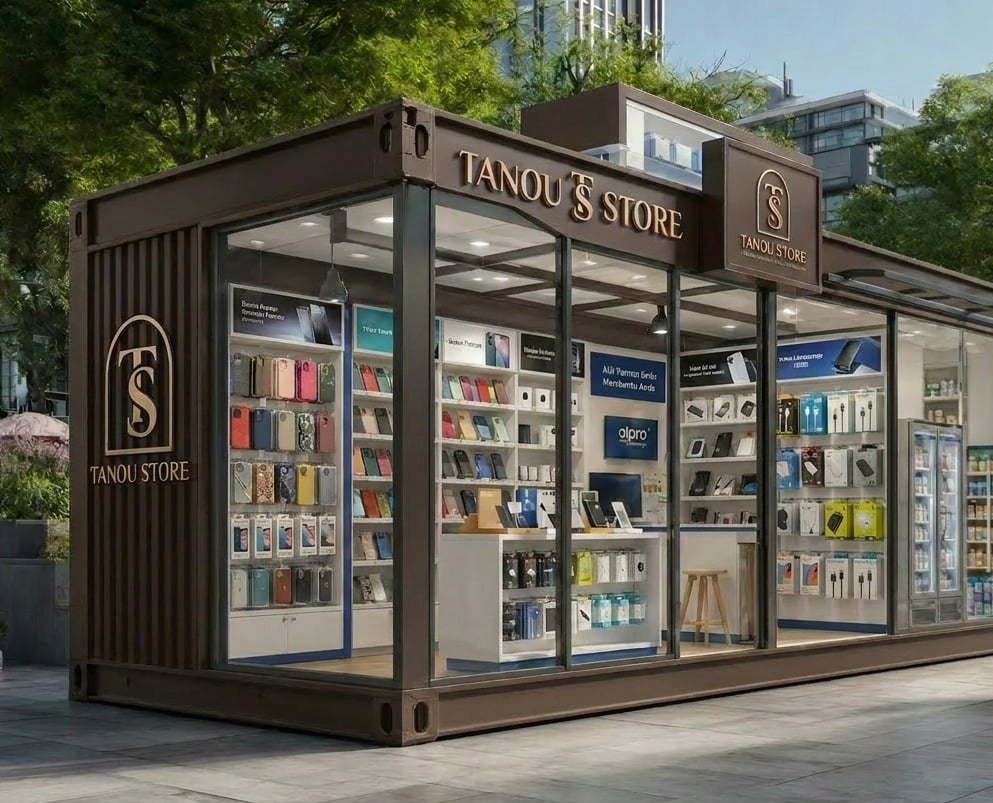
1. Renderdused või tegelikud fotod
Viidake ainult tegelikult valminud projektidele.
2. Elujõuline äriplaan
Ilus välimus ei tähenda automaatselt kasumlikkust.
3. Vastavus teie tegelikele vajadustele
Müügipunktid erinevad ajutistest poodidest ja kultuuri- ning loomingulisest kauplustest.
1. Keskkonda terviklikule investeeringule, mitte ühiku hinnale
Põhi: ratsionaalne investeeringustruktuur
2. Hinnake kasumitagastuse loogikat
Peamised tegurid: jalakäija liiklus, kliendi ühiku hind ja tagasipõhjendatuse määr
3. Kontrollige korduvkäivitamise võimalust
Vaadeldes, kas saate avada rohkem kaubandusahelaid
4. Kinnitage väljumisstrateegia
Tagage lihtne ümberasumine ja korduv kasutamine
VII. Peamised punktid, millele tootja vaatenurgast tuleb tähelepanu pöörata
1. Kogemus kaubandusliku kasutusega konteinerprojektides
Ei ole lihtsalt lihtsad eelvalmistatud majad
2. Erinevate äriotsingute jaoks kohandatud konfiguratsioonid
Ei ole ühtset madala hinna fikseeritud lahendust
3. Tõestatud ja praktiliselt realiseeritud projektid
Olulisem kui kõik muu on otsese kohta rakendatavus
VIII. Järeldus
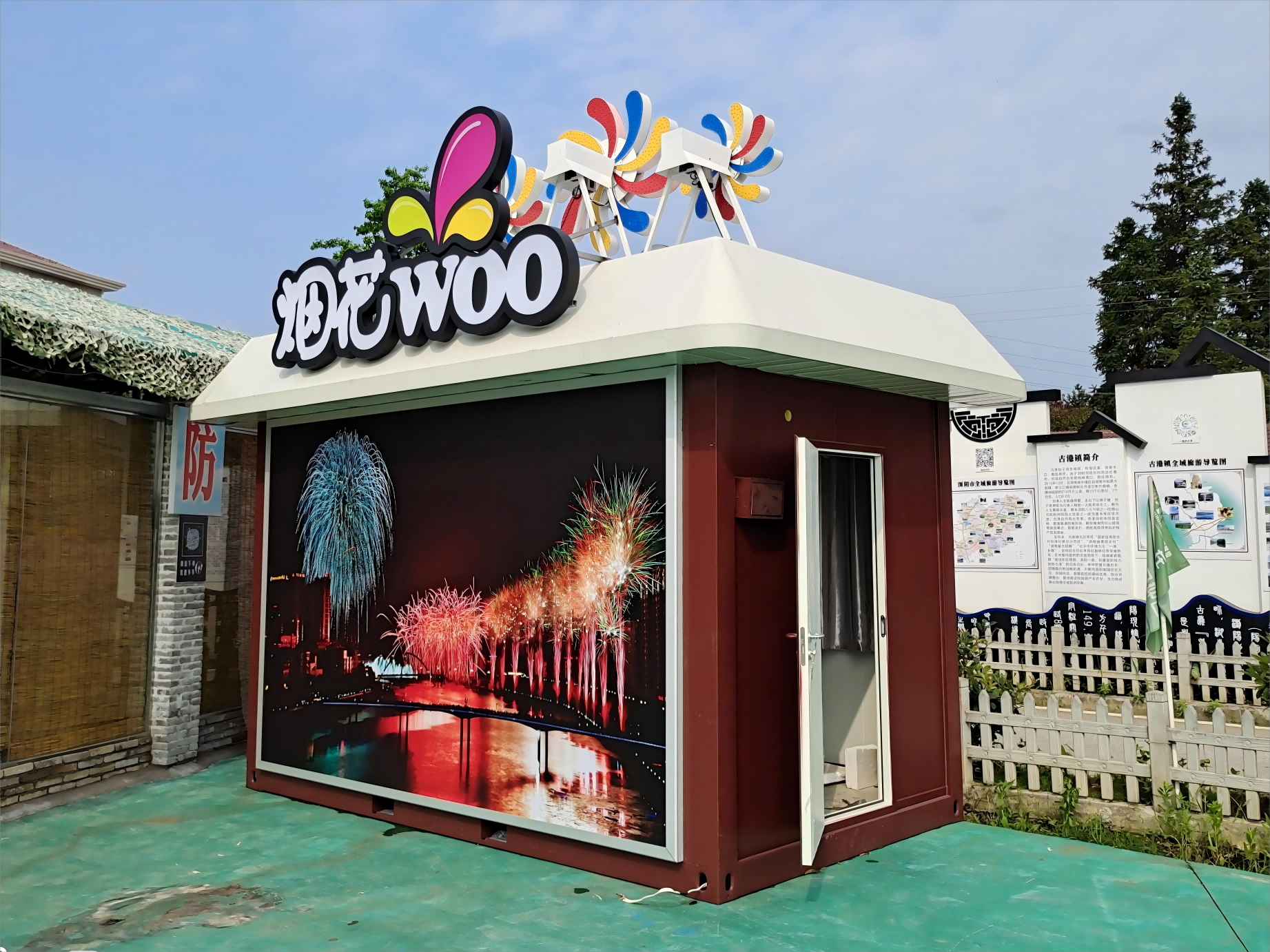
Konteinerpoed on rohkem kui lihtsalt trendikad uudsused. Nad on praktiline äriavamise lahendus, mis sobib tänapäeval erinevatele kaubanduslikele projektidele.
Siiski on selge äriplaan ja kohandatud lahendused olulised. Ärge valige neid kunagi ainult madala hinnaga.
 Külm uudised
2025-07-15
2025-07-17
 EN
EN