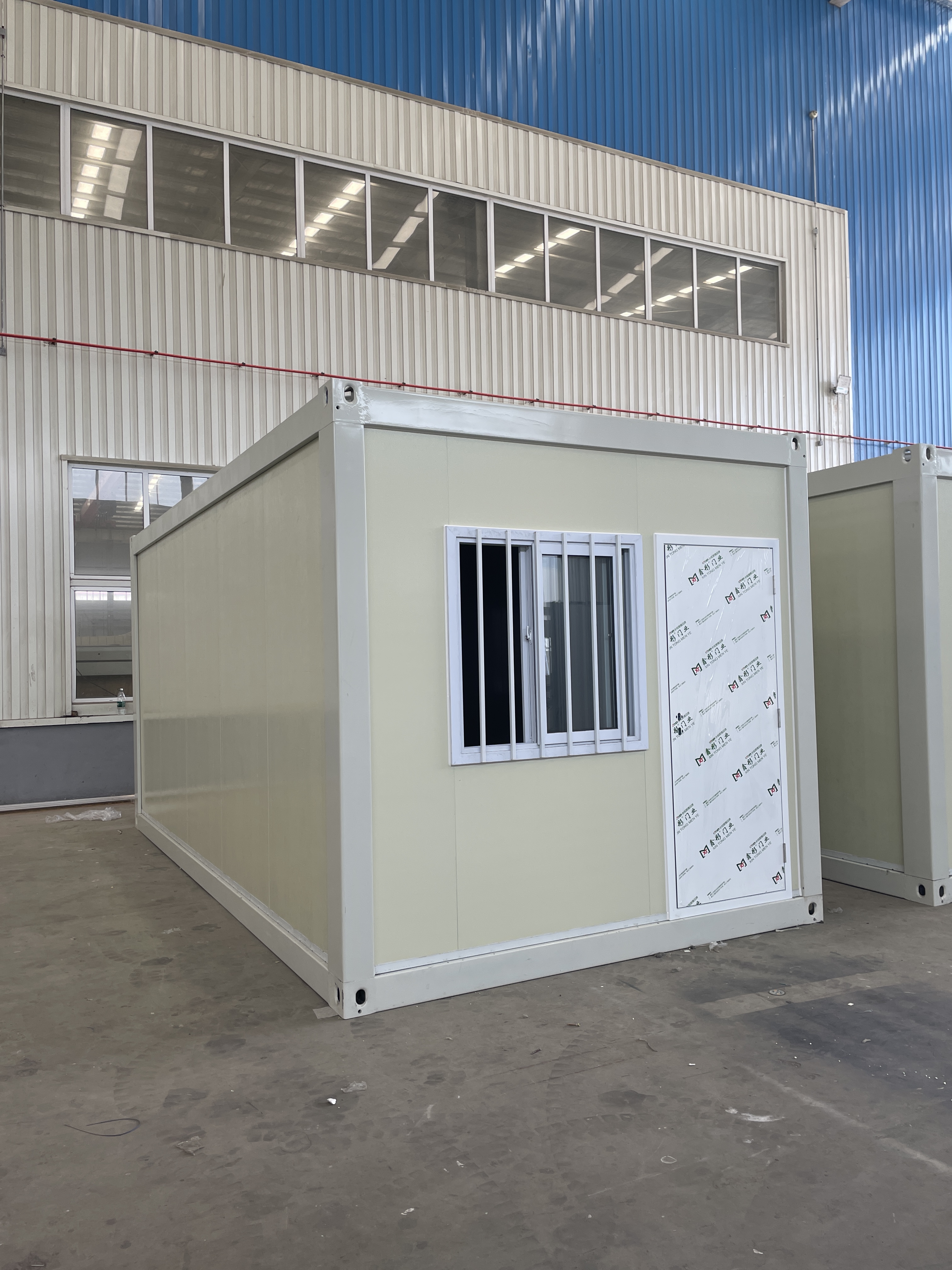
Amikor az emberek konténerházakról gondolkodnak, a tartósság mindig elsődleges szempont – különösen a leválasztható típusok esetében. Sokan azt kérdőjelezik meg, hogy a leválasztható szerkezet nem csökkenti-e az erősségüket, vagy hogy ezek a házak képesek-e ellenállni a rossz időjárásnak, a gyakori össze- és szétszerelésnek, valamint a hosszú távú használatnak. Mivel 12 éve dolgozom a moduláris építőiparban, számos projektben vettem részt leválasztható konténerházakkal, távoli területeken lévő építkezési barakkoktól kezdve vészhelyzeti menedékhelyeken át egészen állandó lakhelyekig. Egy kiemelkedő projekt a Tanzániai Sürgősségi Karanténkabin Projekt volt, amelyen néhány évvel ezelőtt együttműködtünk. A szállított leválasztható konténerházak magas hőmérsékletnek, heves esőzéseknek és folyamatos használatnak voltak kitéve három éven keresztül, mégis ma is kiváló állapotban vannak. Ez a tapasztalat, valamint szakmai tudásom meggyőzött arról, hogy egy minőségi, leválasztható konténerház sokkal tartósabb, mint ahogy a legtöbben gondolnák. Ma bemutatom, mennyire tartósak ezek a házak, és mi teszi őket ennyire megbízhatóvá.
A magas minőségű anyagok adják a tartósság alapjait
A leválasztható konténerházak tartóssága az alkalmazott anyagokkal kezdődik. A vezető gyártók, mint például a MZ ECO HOUSE, nagy szilárdságú horganyzott acélt használnak a vázaszerkezethez, könnyű kompozit paneleket pedig a falakhoz és a tetejhez. A horganyzott acél cinkbevonattal van kezelve, amely ellenáll a korróziónak és a rozsdásodásnak akkor is, ha páratartalmas vagy tengerparti környezetben használják. Egyszer egy Kína partvidékén álló, öt éve használt leválasztható konténerházat vizsgáltam meg. Ennek ellenére, hogy sótartalmú permetezésnek és erős szeleknek volt kitéve, a horganyzott acélszerkezet nem mutatott rozsdát vagy szerkezeti károsodást. A tűzálló és vízálló anyagból készült kompozit panelek is tökéletesen ellenálltak – semmilyen torzulás, hámlás vagy vízszivárgás nem figyelhető meg.
Ezeket az anyagokat nem csupán a szilárdságuk miatt választják; az anyagok szigorú nemzetközi szabványoknak is megfelelnek. Például a sok mozgatható konténerházban használt horganyzott acél az ISO 1461 szabványnak felel meg, amely kiváló korrózióállóságot biztosít. Az összetett panelek gyakran rendelkeznek tűzbiztonsági és tartóssági szempontból a CE és az SGS tanúsítvánnyal. Mark Liu doktor, aki moduláris épületek terén szakosodott anyagtudós, elmagyarázza, hogy a horganyzott acél és a nagyteljesítményű kompozitpanelek kombinációja olyan szerkezetet hoz létre, amely ellenáll a -30 °C és 50 °C közötti extrém hőmérsékleteknek, így majdnem bármilyen éghajlaton alkalmas felhasználásra.
Szerkezeti tervezés növeli a stabilitást és a hosszú élettartamot
Egy leválasztható konténerház szerkezetét úgy tervezték, hogy rugalmas és erős legyen egyszerre. Ellentétben a hagyományos, hegesztett konténerházakkal, a leválasztható változatok pontossági csatlakozókat és zárószerkezeteket használnak, amelyek biztosítják az alkatrészek szoros illeszkedését az összeszerelés során. Dolgoztam egy projektben egy szingapúri okos építőipari telep irányítóközpontjához, ahol 20 darab leválasztható konténerházat szereltünk fel. Ezeknek a házaknak nehéz berendezéseket kellett elbírniuk, és ellenállniuk kellett a gyakori rezgéseknek, de moduláris tervezésük – megerősített acélgerendákkal és keresztrudakkal – stabilan tartotta őket. Két év használat után a házak felét leszereltük és áthelyeztük egy másik építkezési helyszínre – tökéletesen újra összeszerelhetők voltak, laza alkatrészek vagy szerkezeti problémák nélkül.
A szerkezeti tervezés figyelembe veszi az ismételt összeszerelést és szétszerelést is. A minőségi, szétszedhető konténerházak tucatszor szétszedhetők és újra összeállíthatók a szerkezeti integritás elvesztése nélkül. Az adatok szerint a Modular Building Institute szerint egy jól megtervezett szétszedhető konténerház akár 50 szerelési-csavarozási ciklust is kibírhat, miközben eredeti szilárdságának 95%-át megtartja. Ez különösen fontos olyan projektek esetén, amelyek ideiglenes elhelyezést vagy gyakori áthelyezést igényelnek, például építőtáborok vagy katasztrófasegélyhelyek. A Henan Luoyang Konténerkórház projekt, amely a járvány alatt szétszedhető konténerházakat használt, kitűnő példa erre – miután elmúlt a vészhelyzet, a házakat szétszerelték, majd újra felhasználták egy iskola bővítésére.
Kemény időjárási és környezeti tényezőkkel szembeni ellenállás
A tartósság azt jelenti, hogy képes ellenállni a természet minden kihívásának, és ezen a téren a szétszerelhető konténerházak kiemelkedő teljesítményt nyújtanak. Egyszer egy mombasai kikötői tűzoltóállomás szétszerelhető konténerházainak telepítését felügyeltem Kenyában. A területet gyakran súlyos esőzések, erős szelek és magas páratartalom éri, de a mi általunk biztosított házak lejtős tetővel rendelkeztek a hatékony vízelvezetésért, valamint szélálló csatlakozókkal. Három év elteltével, több trópusi vihar és sótartalmú levegő után is sértetlenül megmaradtak – nem történt tetőkárosodás, víz bejutása vagy penészesedés.
Egy másik példa a pekingi téli olimpia Genting Sícentrum projektje, ahol leválasztható konténerházakat használtak személyzeti hálótermekként. Ezek a házak az olimpia egész ideje alatt, valamint azt követően is kitartottak a fagypont alatti hőmérséklettel, erős hóeséssel és széllökésekkel szemben. A kompozit panelek szigetelése nemcsak melegen tartotta a belső tereket, hanem megvédte a szerkezetet a fagy okozta károktól is. A házakat később egy hegyi faluba szállították át, ahol ma is turistaszállásként működnek. Az International Code Council (ICC) vizsgálta a leválasztható konténerházakat, és igazolta, hogy akár 120 km/h széllökéseket és 2,5 kN/m²-es hótakarót is elbírnak, így megfelelnek a tartós épületek extrém időjárási körülmények között támasztott követelményeinek.
Alacsony karbantartási igény és újrahasznosíthatóság meghosszabbítja az élettartamot
Egy tartós épületnek nem szabad folyamatos javításokat igényelnie, és a leválasztható konténerházak alacsony karbantartási igényűre lettek tervezve. Egy bányavállalatot Mongóliában tanácsoltam, hogy alkalmazzon leválasztható konténerházakat a munkásaik számára kialakított hálókörletekhez. A terület eldugott helyen fekszik, így a rendszeres karbantartás nehézkes volt, de a házak csupán időnkénti tisztítást és ellenőrzést igényeltek. Négy év elteltével az egyetlen elvégzett karbantartás néhány elkopott csatlakozó cseréje volt – minden más tökéletes állapotban maradt. A kompozit panelek nem szívódköző felülete megakadályozza a penész és a gomba növekedését, míg a horganyzott acélvázas szerkezet évekig nem igényel festést vagy rozsdamentesítést.
A újrafelhasználhatóság egy másik tényező, amely hozzájárul az önállóan szállítható konténerházak hosszú távú tartósságához. Ellentétben a hagyományos épületekkel, amelyeket gyakran lebontanak, ha már nincs rájuk szükség, a leválasztható konténereket több projekt során is újra lehet hasznosítani. A kaliforniai Container High School projekt olyan leválasztható konténerházakat használt, amelyek korábban építőmunkás-lakóként szolgáltak. Miután szétszerelték, szállították és újra összeszerelték őket, a házak több mint 10 évig osztályteremként működtek. A Green Building Council szerint a leválasztható konténerházak újrahasznosítása csökkenti az új építőanyagok iránti igényt, és a szerkezet élettartamát 20–30 évig növeli – összehasonlíthatóan a hagyományos téglából készült épületekkel.
A valós alkalmazások bizonyítják a hosszú távú tartósságot
A tartósság legjobb módja a mindennapi használat során való tesztelése, és számtalan példa igazolja, hogy az önálló konténerházak időtállóak. A melbourne-i Eco Container Hotel, amely 2018-ban nyílt meg, vendégszobáiként használ konténerházakat. Öt évnyi napi használat után turisták részéről a házak még mindig kiváló állapotban vannak – nincs szerkezeti probléma, anyagkopás, és a vendégek pozitívan értékelték kényelmüket és stabilitásukat. A hotel menedzsere elmondta, hogy csupán minimális karbantartásra volt szükség, például néhány csatlakozó meghúzására és ajtógombok cseréjére.
Egy másik lenyűgöző példa a Hollandiai Irodaház Projekt, amely 30 leválasztható konténerházból áll. A épület hét éve üzemel, naponta több száz alkalmazottat foglalkoztatva. A rendszeres ellenőrzések azt mutatják, hogy a szerkezet olyan stabil, mint az összeszerelés napján, degradáció nyomai nélkül. A projekt építésze, Sarah Jensen megjegyezte, hogy a leválasztható konténerházak tartóssága felülmúlta az elvárásait: „15 éves élettartamra terveztük az épületet, de valószínűleg sokkal tovább fog állni. Az anyagok és a szerkezeti kialakítás rendkívül megbízhatónak bizonyultak.”
Összegzés
Mennyire tartós tehát egy szétszerelhető konténerház? A válasz: rendkívül tartós – ha minőségi anyagokból készül, szilárd szerkezeti tervezéssel és megbízható cég gyártásában. Ezek a házak ellenállnak a szélsőséges időjárásnak, gyakori össze- és szétszerelésnek, valamint hosszú távú használatnak, 20–30 év vagy annál hosszabb élettartammal. Minimális karbantartást igényelnek, újrahasznosíthatók, és megfelelnek a nemzetközi biztonsági és tartóssági szabványok szigorú követelményeinek. Rendelkezésre álló esetek vészhelyzeti szállásoktól, építkezési tábortól kezdve szállodákig és irodákig bebizonyították, hogy a szétszerelhető konténerházak megbízható és hosszú távú építési megoldást jelentenek.
Több mint egy évtizedes iparági tapasztalattal rendelkezőként mindig azt javaslom az ügyfeleknek, hogy a leválasztható konténerház választásakor a minőséget tegyék elsődlegessé. Olyan gyártókat keressenek, akiknek bizonyítható teljesítményük van, például technikai szabadalmakkal és CE, SGS, valamint ISO szervezetektől származó tanúsítványokkal. Egy minőségi leválasztható konténerház nem csupán ideiglenes megoldás – hanem olyan befektetés, amely hosszú éveken át megbízhatóan szolgál majd Önt. Akár ideiglenes elszállásra van szüksége egy projekthez, akár állandó otthonra vagy rugalmas üzleti létesítményre, a leválasztható konténerház az Ön által keresett tartósságot, megbízhatóságot és értéket kínálja.

 EN
EN