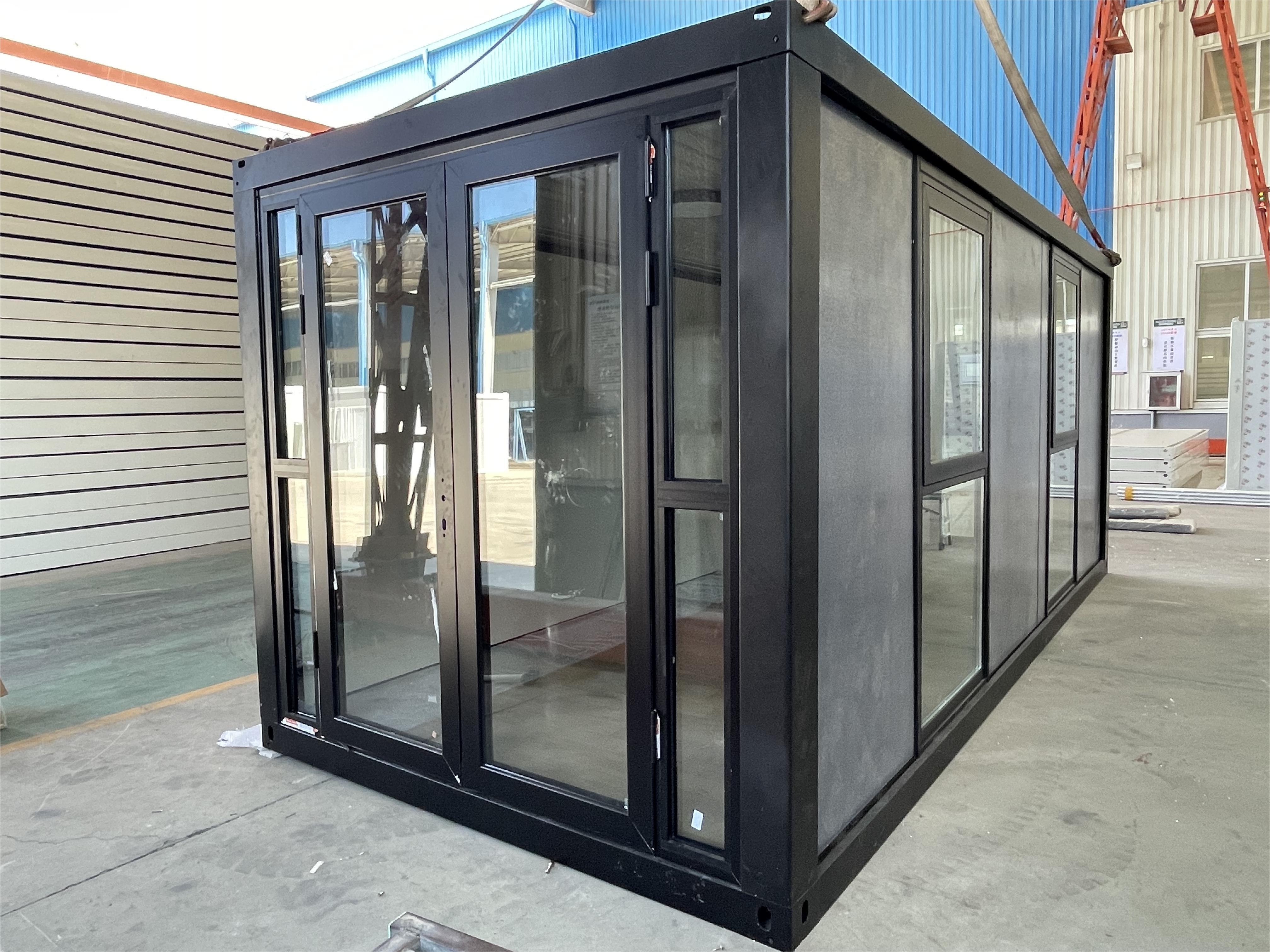
In recent years, container houses have become increasingly popular in construction, but the lightweight detachable container house stands out as a game changer. Whether for temporary accommodations, remote project sites, or even permanent residences, this type of house offers unique advantages that traditional buildings or regular container houses can’t match. Having worked in the modular construction industry for 10 years, I’ve helped countless clients choose suitable housing solutions. One memorable case was a mining company that needed temporary housing for 50 workers in a remote mountain area. We recommended lightweight detachable container houses, and they were installed in just 10 days. After two years of use, the company relocated the houses to another site without any damage. This experience made me realize the immense value of lightweight detachable container houses. Today, I’ll share why they’re worth choosing and what makes them so practical.
Easy Transportation and Quick Installation
One of the biggest perks of a lightweight detachable container house is its convenience in transportation. Unlike heavy traditional container houses that require large trucks and cranes, these lightweight versions are easy to load, unload, and transport. Each detachable part is lightweight enough to be moved by a small team, which saves a lot on transportation costs. I once worked with a construction team that needed temporary offices for a road project. The lightweight detachable container houses we provided were transported via ordinary pickup trucks, and there was no need for expensive heavy machinery. This cut their transportation expenses by 40% compared to using regular container houses.
Installation is another major advantage. The detachable design means all parts are prefabricated in the factory, with clear assembly instructions. A team of 3-4 people can assemble a standard 20 square meter lightweight detachable container house in just 4-6 hours. For a large project requiring multiple houses, this efficiency is a huge time saver. According to data from the Modular Building Institute, lightweight detachable container houses reduce on-site construction time by 60% on average compared to traditional buildings. Professor David Carter, an expert in modular construction, explains that the prefabricated and detachable nature eliminates the need for on-site welding or complex construction, making installation fast and hassle free.
Flexibility and Versatility in Usage
Lightweight detachable container houses are incredibly flexible, allowing for easy expansion or rearrangement. If your needs change—for example, you need more living space or want to adjust the layout—you can simply add more modules or reconfigure the existing ones. A farm owner I advised wanted a guest house initially, but later decided to add a storage room and a workspace. Thanks to the detachable design, we added two more modules to the original lightweight detachable container house without major renovations. The entire process took only three days, and the new space blended seamlessly with the original structure.
These houses are also versatile in various scenarios. They work perfectly as temporary offices, worker dormitories, disaster relief shelters, vacation cabins, or even permanent homes. In areas prone to natural disasters like earthquakes or floods, lightweight detachable container houses are safer because they’re lightweight and can be quickly relocated. The International Federation of Red Cross and Red Crescent Societies (IFRC) often uses similar lightweight detachable structures for emergency shelters due to their quick deployment and durability. Additionally, they can be customized to meet specific needs—you can add insulation, windows, doors, and interior fixtures according to your preferences.
Cost Effectiveness and Energy Efficiency
Choosing a lightweight detachable container house is a cost effective decision in the long run. The initial cost is lower than that of traditional buildings because the prefabrication process reduces material waste and labor costs. Moreover, their lightweight design means lower foundation requirements—you don’t need to build a heavy concrete foundation, which saves a significant amount of money. A small business owner I worked with built a 30 square meter office using a lightweight detachable container house, and the total cost was 30% lower than building a brick and mortar office.
Energy efficiency is another cost saving factor. Most lightweight detachable container houses are designed with excellent insulation materials, which help maintain indoor temperature and reduce energy consumption for heating or cooling. According to the U.S. Department of Energy, properly insulated modular houses like lightweight detachable container houses can save up to 25% on energy bills compared to traditional buildings. The detachable parts are also reusable—if you move to a new location, you can take the house apart and reassemble it elsewhere, avoiding the need to build a new house from scratch. This reusability further reduces long term costs.
Durability and Environmental Friendliness
Many people worry that lightweight detachable container houses are not durable, but that’s a misconception. These houses are made of high quality materials like galvanized steel and lightweight composite panels, which are corrosion resistant, waterproof, and windproof. I once installed a lightweight detachable container house in a coastal area with strong winds and high humidity. After three years of exposure to harsh weather, the house showed no signs of rust or structural damage. The materials used meet the international standard ISO 12097, which ensures their durability in various environments.
From an environmental perspective, lightweight detachable container houses are a sustainable choice. The prefabrication process in factories reduces construction waste by up to 70% compared to traditional on-site construction, according to the Green Building Council. The materials used are often recyclable—galvanized steel can be recycled repeatedly without losing its properties. Additionally, since these houses can be reused multiple times, they reduce the demand for new building materials, which helps conserve natural resources. Dr. Lisa Wong, an environmental scientist, emphasizes that lightweight detachable container houses are a key part of eco friendly construction, as they minimize the carbon footprint of building projects.
Safety and Comfort
Safety is a top priority for any housing solution, and lightweight detachable container houses don’t disappoint. They are designed to meet strict safety standards, including fire resistance and structural stability. The galvanized steel frame provides strong support, and the non combustible materials used in the panels reduce the risk of fire. In a fire safety test conducted by the National Fire Protection Association (NFPA), lightweight detachable container houses met the NFPA 13 standard for fire protection, ensuring the safety of occupants.
Comfort is also not compromised. With proper insulation and ventilation systems, these houses offer a comfortable living or working environment. You can install air conditioners, heaters, and other appliances to adjust the temperature as needed. The interior can be decorated just like a traditional house—you can add flooring, walls, and furniture to make it feel cozy. A family I helped set up a lightweight detachable container house as a vacation home told me that their guests often forget they’re staying in a container house because it’s so comfortable. The sound insulation is also excellent, blocking out external noise effectively.
Conclusion
Lightweight detachable container houses have become a popular choice for good reason—they offer easy transportation, quick installation, flexibility, cost effectiveness, durability, environmental friendliness, safety, and comfort. Whether you need temporary accommodation for a project, a vacation cabin, or a permanent home, these houses can meet your needs. From my years of experience in the industry, I’ve seen how they solve many of the problems associated with traditional construction, such as high costs, long construction times, and inflexibility. The key to getting the most out of a lightweight detachable container house is to choose a reputable manufacturer that uses high quality materials and adheres to safety standards. Investing in a lightweight detachable container house is not just a practical decision for today, but a sustainable and cost effective choice for the future. It’s no wonder more and more people are opting for this innovative housing solution.

 EN
EN