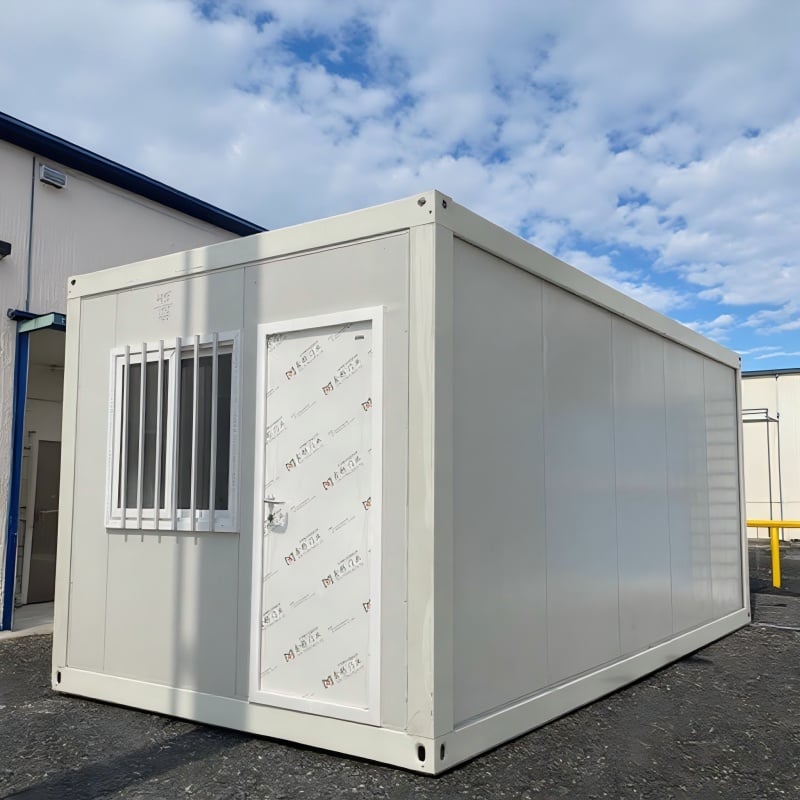
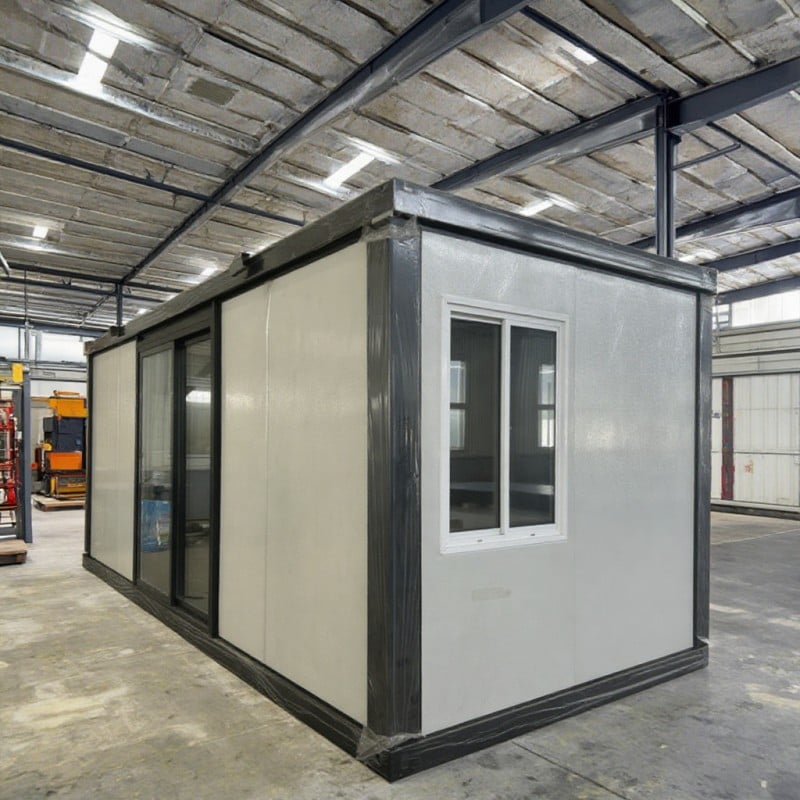
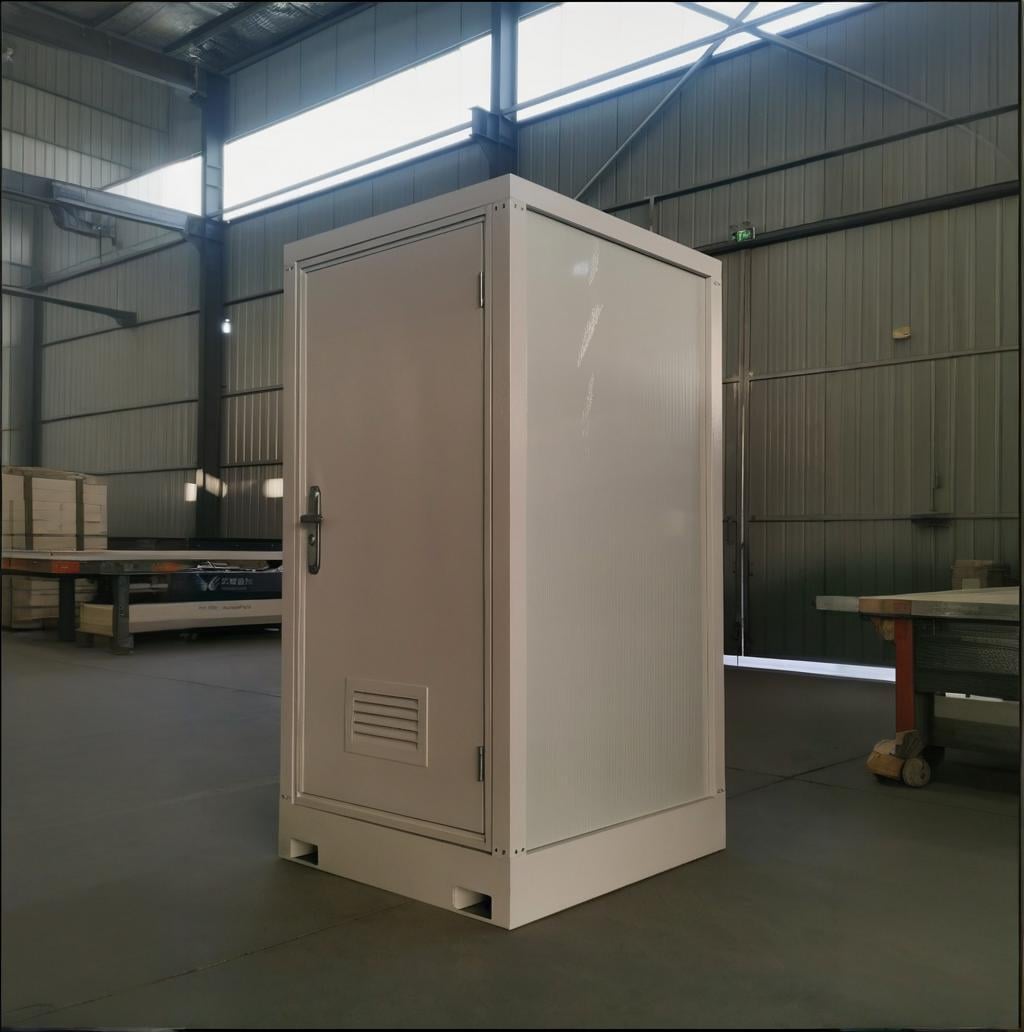
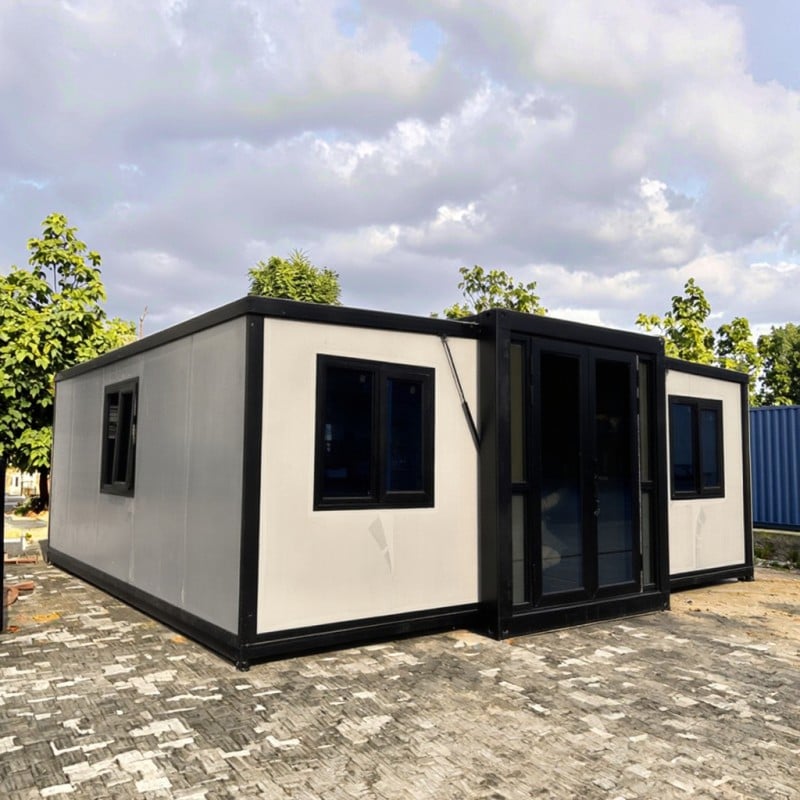
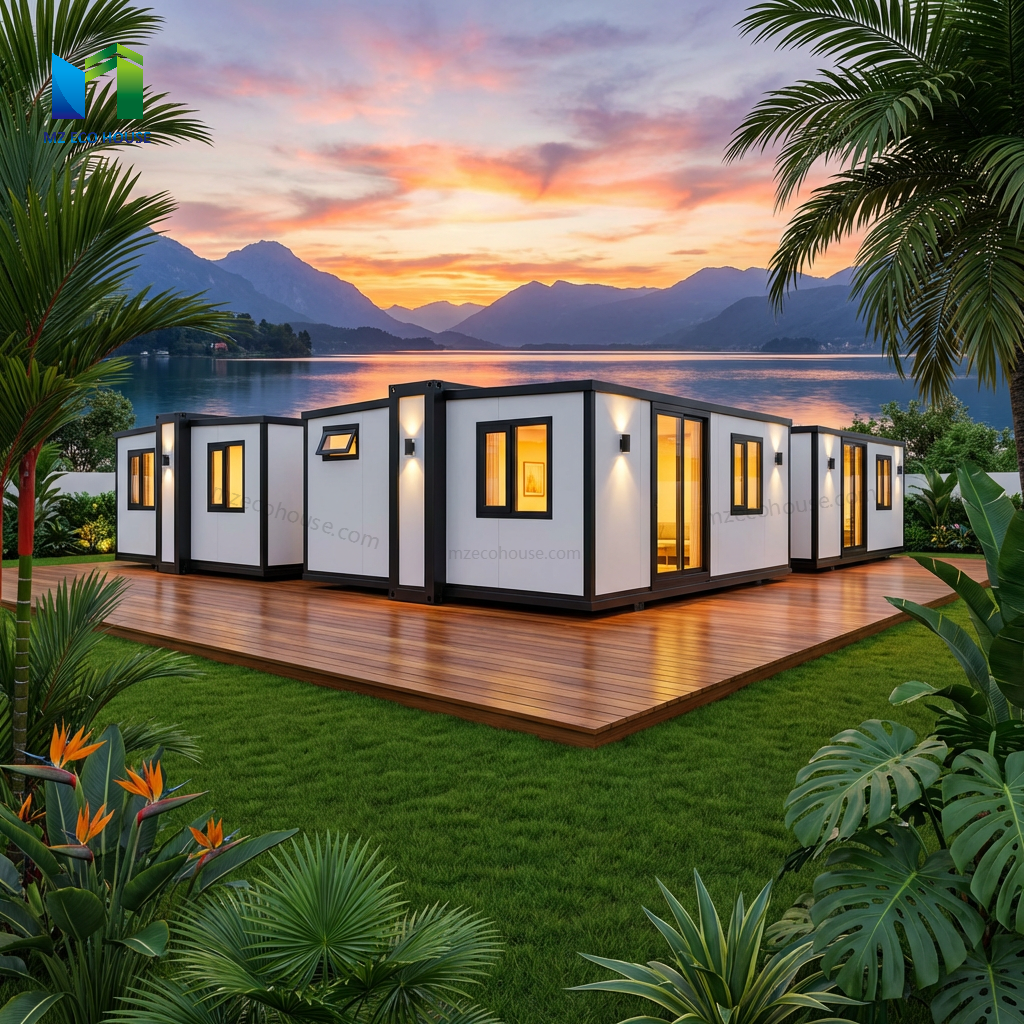
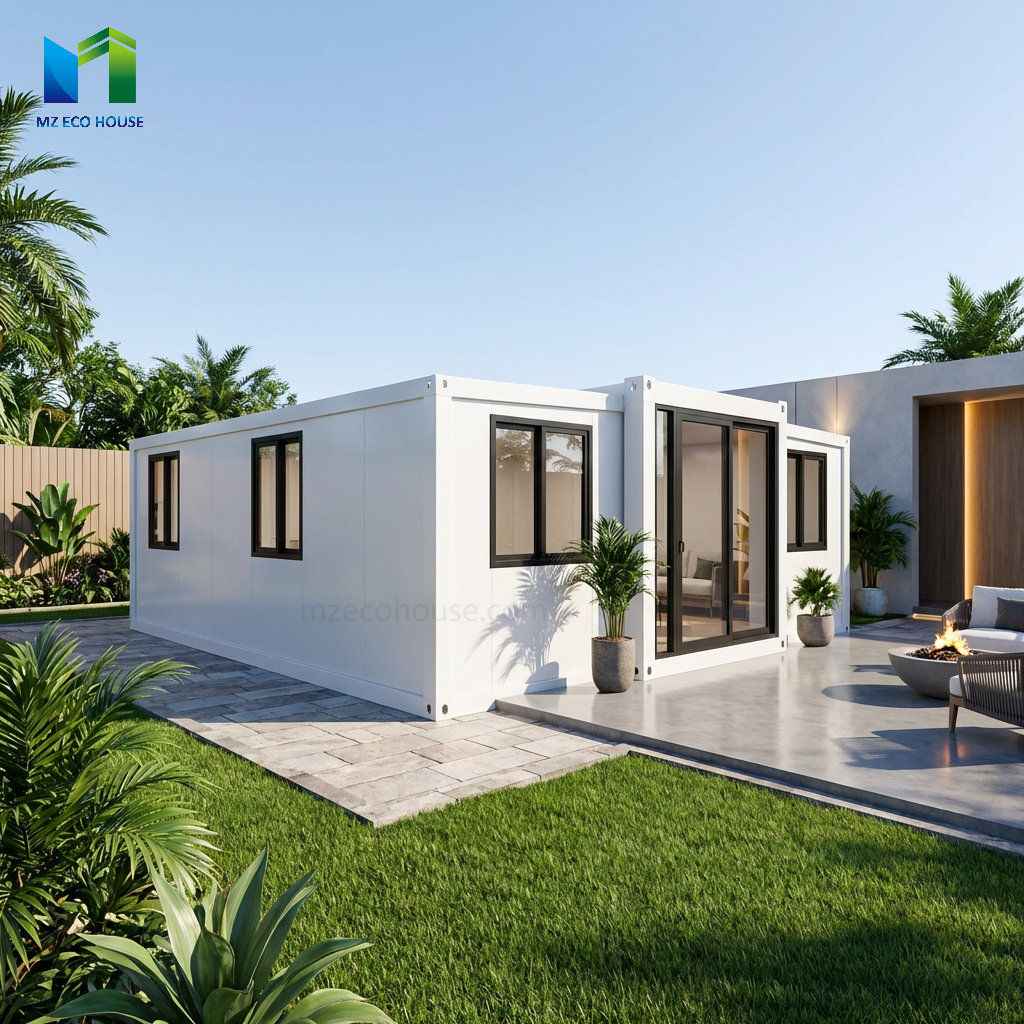
In an era where sustainability, efficiency, and innovation are reshaping the construction industry, shipping container houses have emerged as a game-changer. What was once a humble cargo vessel for global trade has evolved into a versatile, eco-friendly building solution that caters to diverse needs—from residential homes and vacation getaways to commercial spaces and emergency shelters. As more homeowners, developers, and entrepreneurs seek alternatives to traditional brick-and-mortar construction, container houses are no longer a niche trend but a practical, forward-thinking choice. Let’s dive into why this industrial-inspired building method is taking the world by storm.
From Cargo Containers to Living Spaces: The Transformation of a Industrial Icon
Shipping containers were originally designed to withstand the harshest ocean conditions—strong steel frames, weather-resistant exteriors, and a modular structure that makes them easy to transport and stack. It’s these very features that make them ideal for repurposing into habitable spaces. Unlike traditional construction, which requires months of on-site work, container houses leverage prefabricated components that are built in factories and assembled on-site in days or weeks. This not only cuts down construction time but also reduces waste, labor costs, and environmental impact.
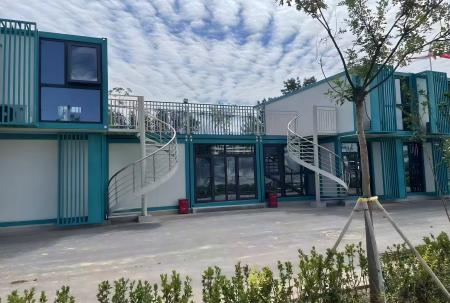
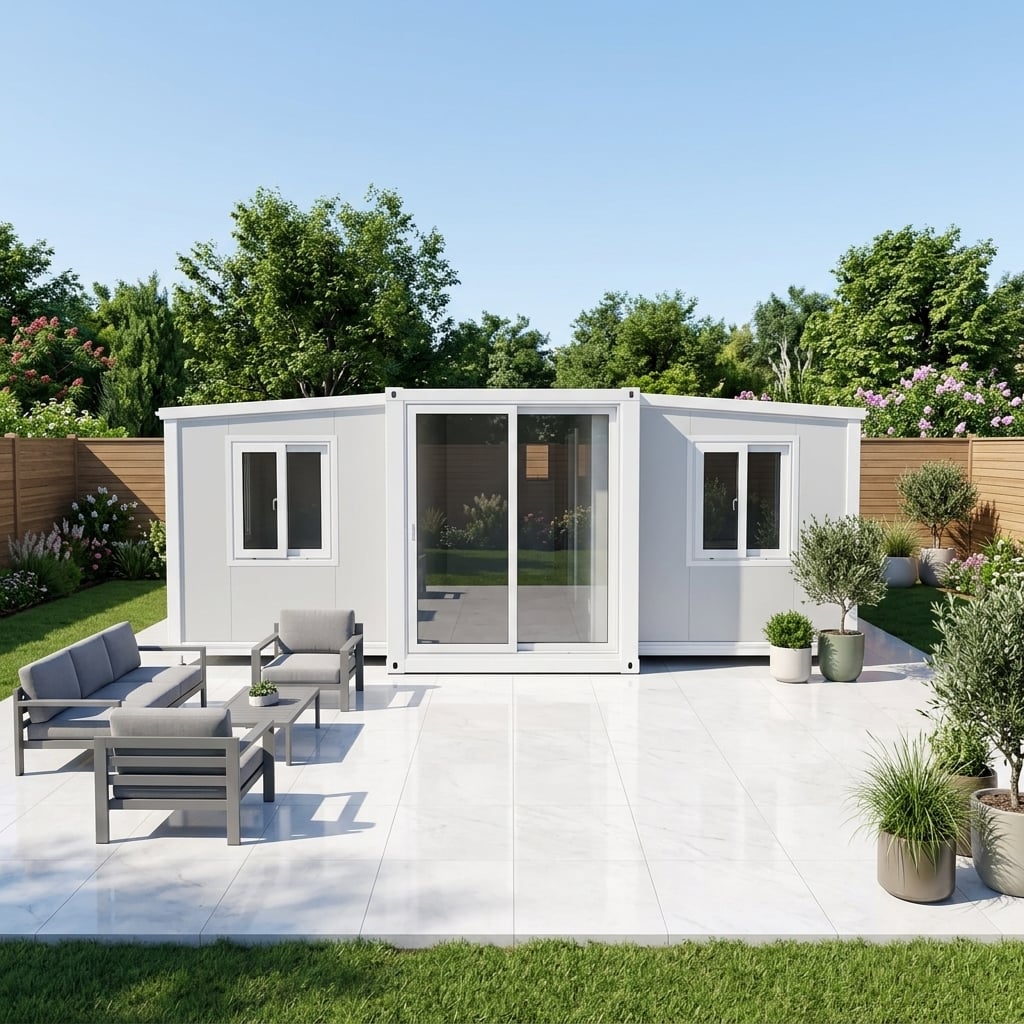
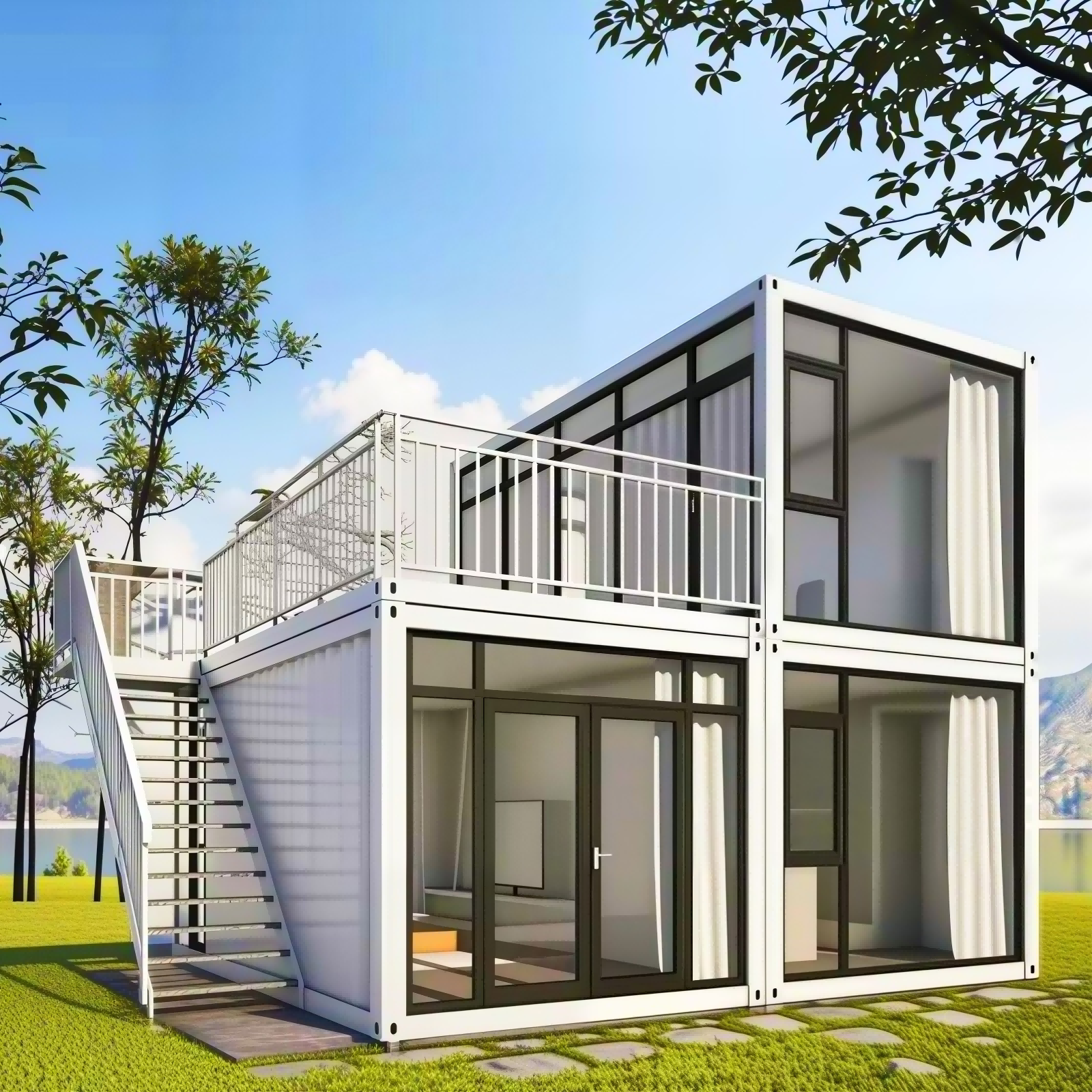
Today’s container houses are far from the “metal boxes” many people imagine. With creative design and thoughtful customization, they can be transformed into sleek, modern homes with all the comforts of traditional residences—spacious interiors, large windows, insulation, HVAC systems, and even rooftop gardens. From single-container tiny homes to multi-container villas, the possibilities are endless, making them suitable for everyone from solo travelers to growing families.
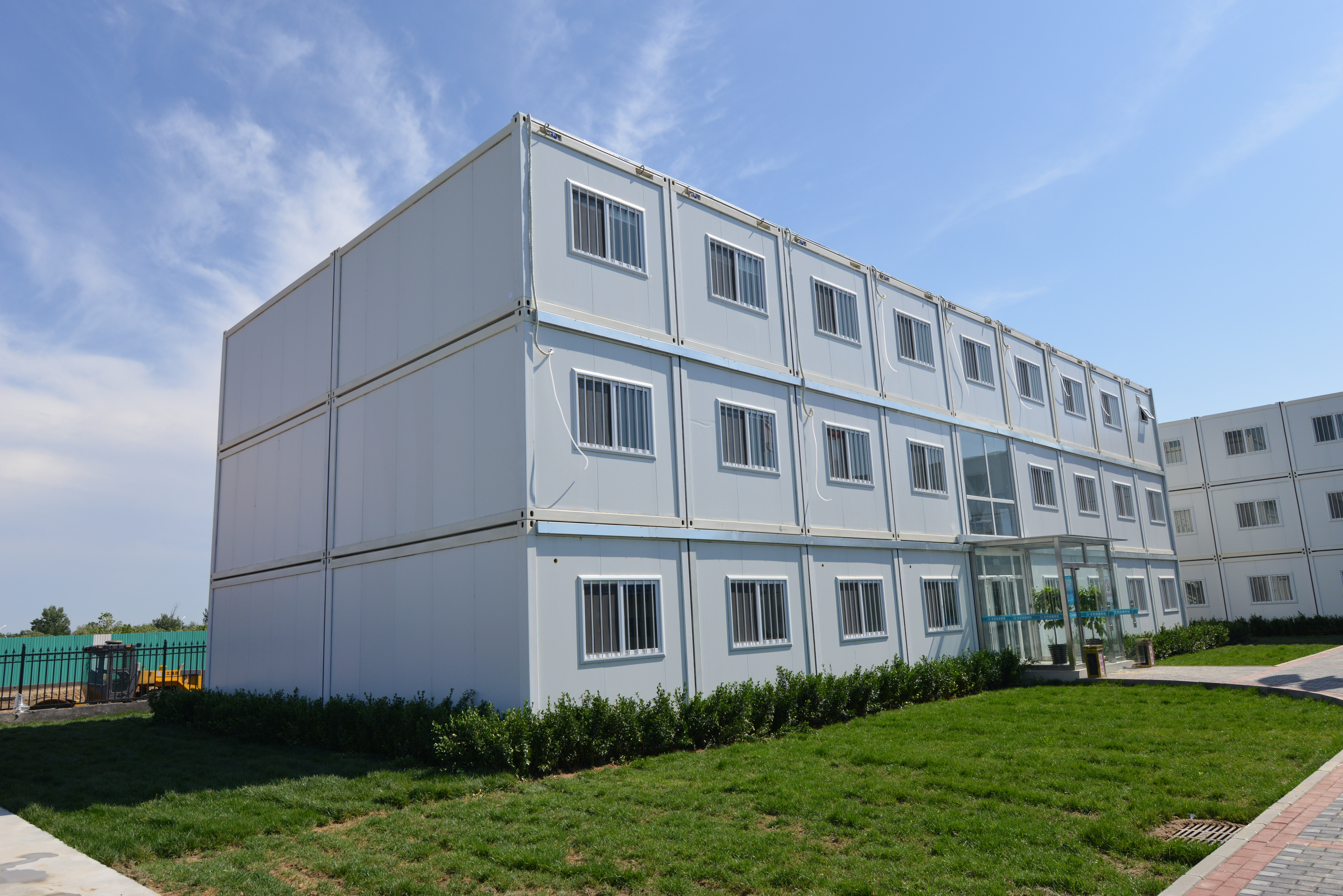
The Core Advantages: Why Container Houses Outperform Traditional Construction
What sets container houses apart from conventional buildings? Their unique combination of sustainability, affordability, and flexibility makes them a standout choice for modern builders. Here are the key benefits driving their growing popularity:
1. Sustainable & Eco-Friendly
In a world focused on reducing carbon footprints, container houses are a champion of green building. Repurposing used shipping containers keeps them out of landfills—each container reused saves approximately 1.8 tons of standard coal that would be consumed in producing new steel. Additionally, the prefabricated nature of container construction minimizes on-site waste, as most components are built to precise specifications in factories. Many container homes also integrate renewable energy solutions like solar panels and rainwater collection systems, further enhancing their eco-friendly credentials.
2. Cost-Effective & Budget-Friendly
One of the biggest draws of container houses is their affordability. Compared to traditional砖混 structures, container homes can reduce construction costs by 40-50%. The main material—used shipping containers—is relatively inexpensive, and the modular design cuts down on labor and construction time. A standard 20-foot container home can be fully renovated for a fraction of the cost of a traditional home, making it an ideal choice for budget-conscious homeowners, first-time buyers, and entrepreneurs looking to launch small businesses (like pop-up shops or cafes) without breaking the bank.
3. Fast Construction & Easy Installation
Traditional construction can take 3-6 months (or longer) to complete, but container houses can be ready for move-in in as little as 1-4 weeks. The prefabricated modules are transported to the site via truck or crane, then assembled and connected. Even complex multi-container projects can be completed in a matter of months, saving time and allowing owners to start enjoying their space sooner. This speed is also a major advantage for emergency housing—container homes can be quickly deployed in disaster-stricken areas to provide safe shelter for those displaced.
4. Durable & Weather-Resistant
Built to withstand rough ocean voyages, shipping containers are inherently durable. Their steel frames are resistant to fire, corrosion, wind, and even earthquakes, making them suitable for a wide range of climates—from coastal areas prone to hurricanes to inland regions with extreme temperatures. With proper insulation and weatherproofing, container houses can maintain a comfortable interior temperature year-round, ensuring longevity and safety for decades.
5. Flexible & Customizable
The modular design of container houses allows for endless customization. Whether you want a compact tiny home, a spacious family house, a creative office, or a trendy pop-up shop, containers can be stacked, connected, or modified to fit your needs. Exteriors can be painted, clad in wood or stone, or fitted with green walls for a more natural look. Interiors can be designed to match any style—industrial, minimalist, bohemian, or modern—with open floor plans, large windows, and high ceilings. This flexibility makes container houses perfect for anyone looking to create a unique space that reflects their personality or brand.
Beyond Residences: The Versatile Applications of Container Houses
Container houses are not just for living—they’re revolutionizing a wide range of industries with their adaptability. Here are some of the most popular applications that are driving demand in 2026 and beyond:
Residential Homes
From tiny homes to luxury villas, container houses are becoming a popular choice for homeowners seeking affordability and sustainability. They’re especially popular among digital nomads, retirees, and those looking to downsize, as well as families who want a custom home without the high cost and long wait time of traditional construction.
Cultural Tourism & Vacation Spaces
In the tourism industry, container houses are transforming vacation accommodations. They’re perfect for glamping sites, beach resorts, mountain lodges, and eco-friendly hotels—offering guests a unique, immersive experience while blending seamlessly with nature. For example, a resort in Costa Rica used 20 containers to create cliffside villas that overlook volcanoes, preserving the natural landscape while providing stunning views.
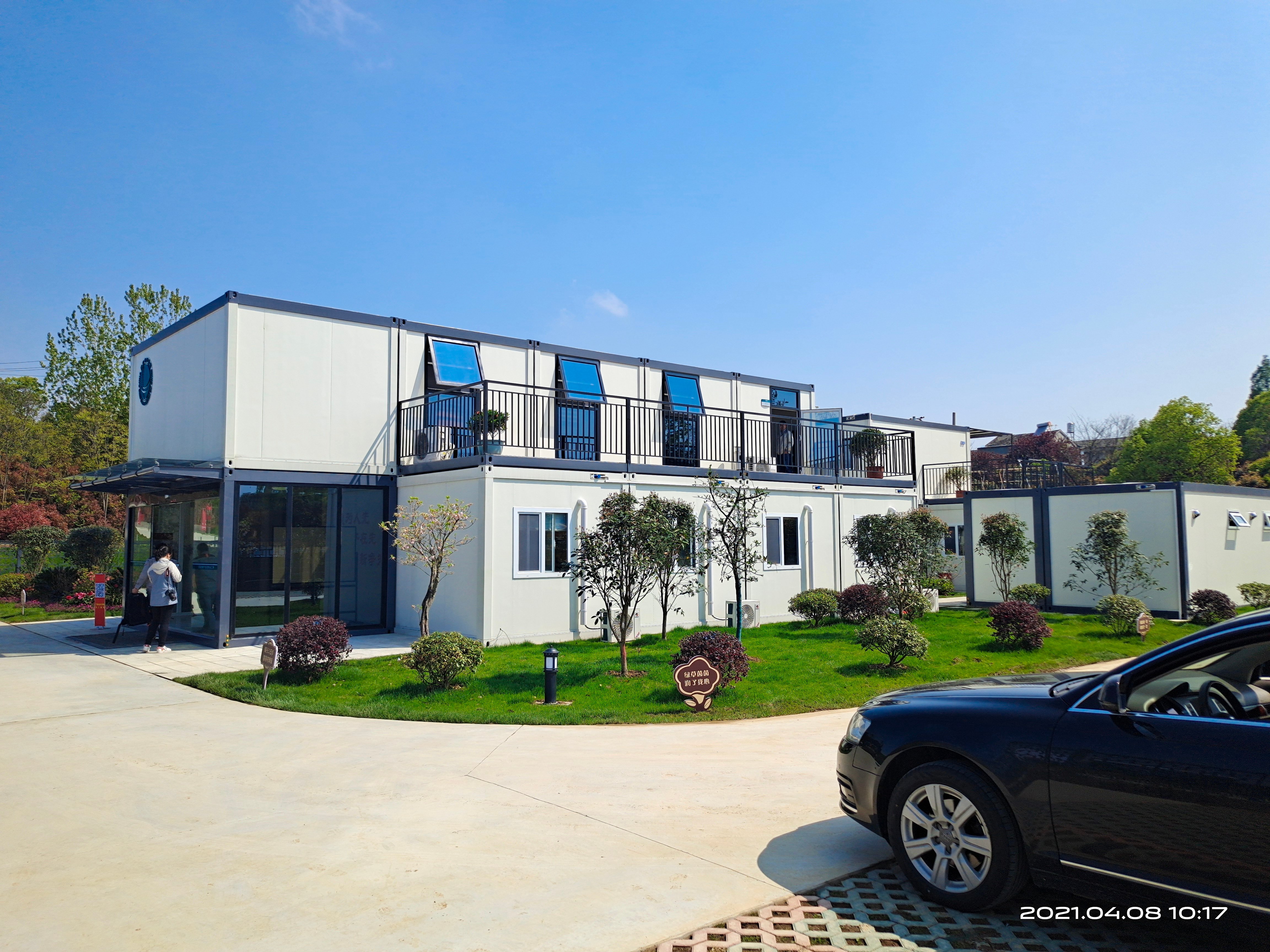
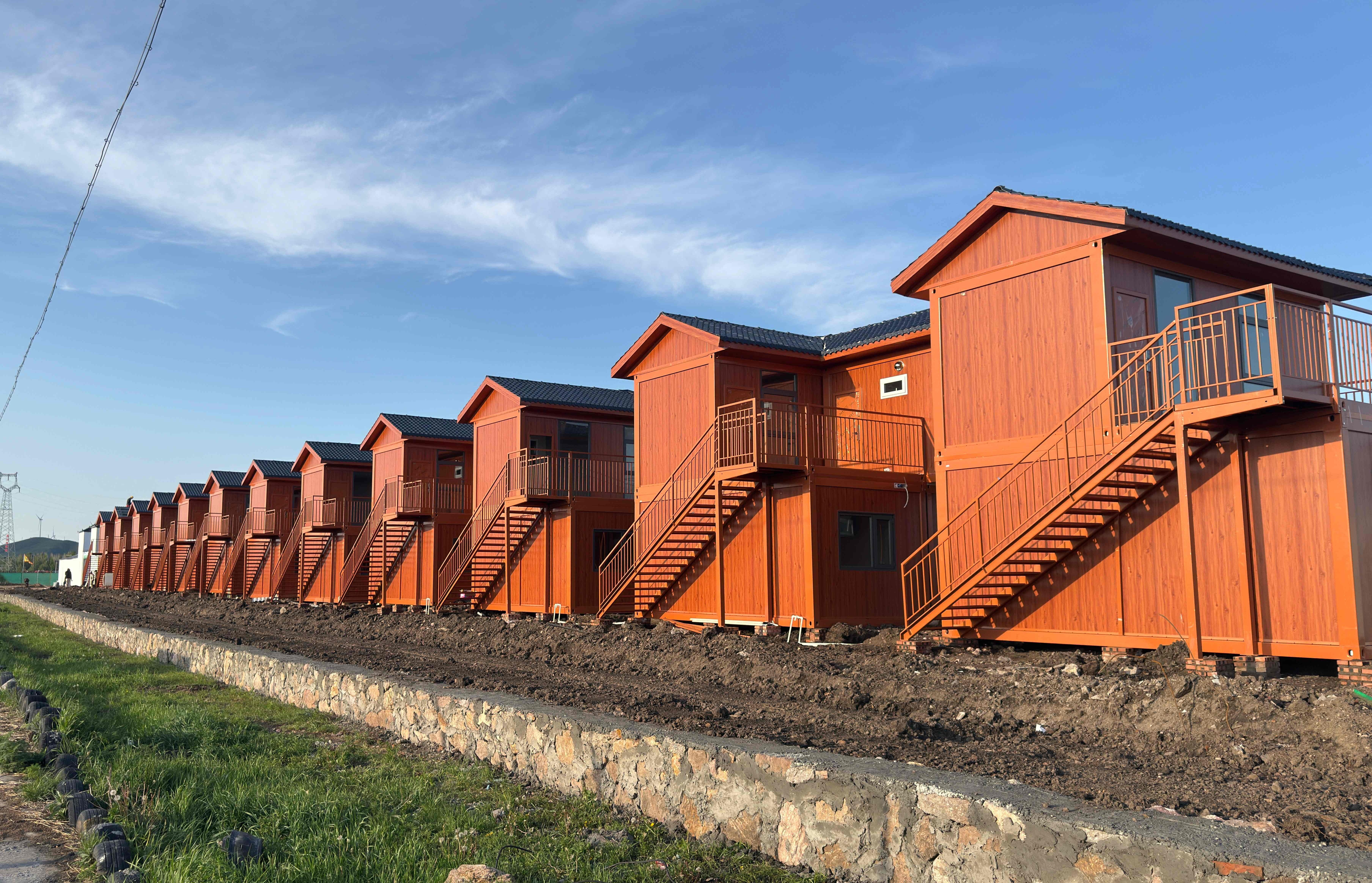
Commercial & Retail Spaces
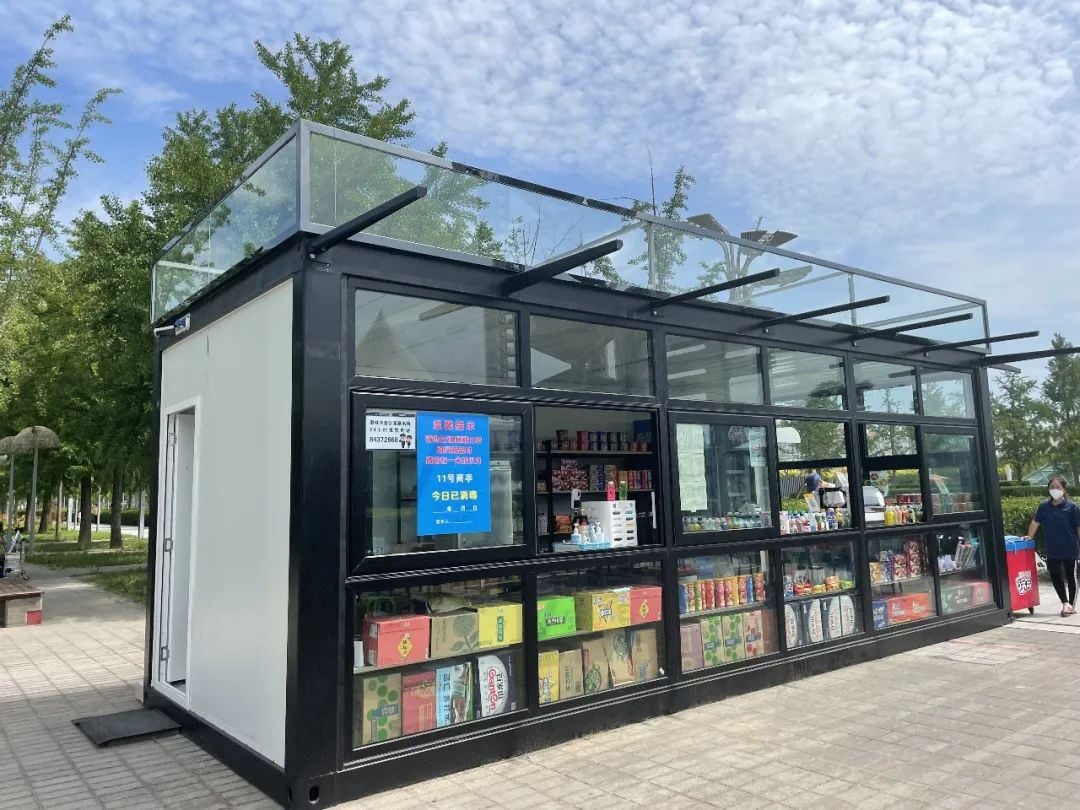
Entrepreneurs are leveraging container houses to create eye-catching commercial spaces, including pop-up shops, cafes, restaurants, and art galleries. Their modular design allows for quick setup and relocation, making them ideal for temporary events or permanent businesses looking to stand out. Many urban areas are also using containers to create trendy commercial districts, breathing new life into underutilized spaces.
Temporary & Emergency Housing
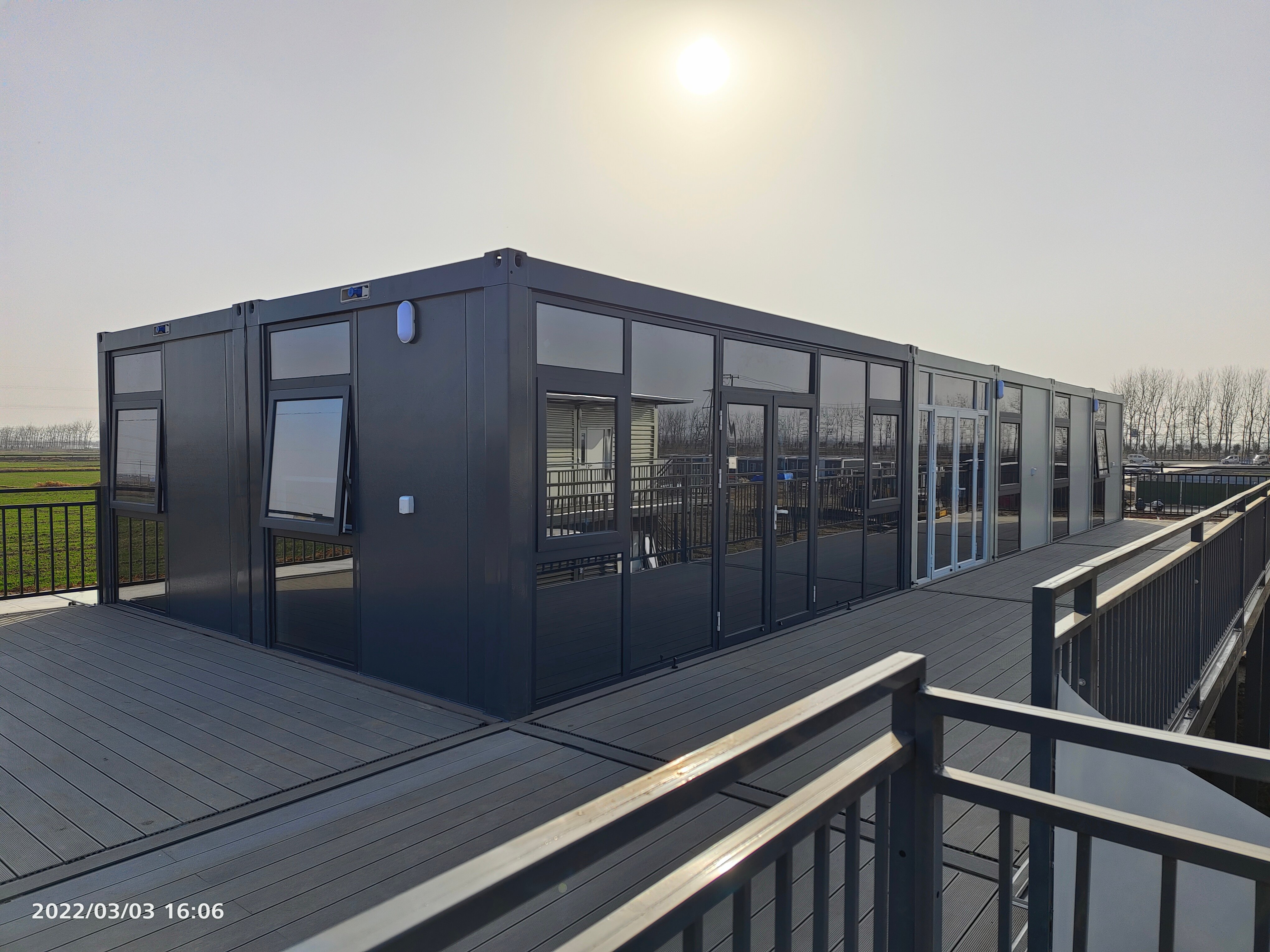
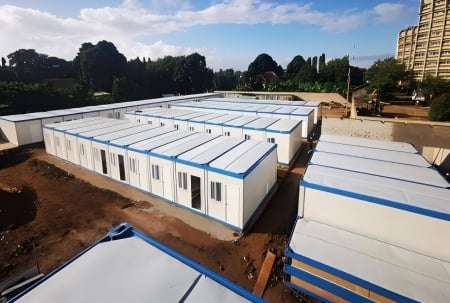
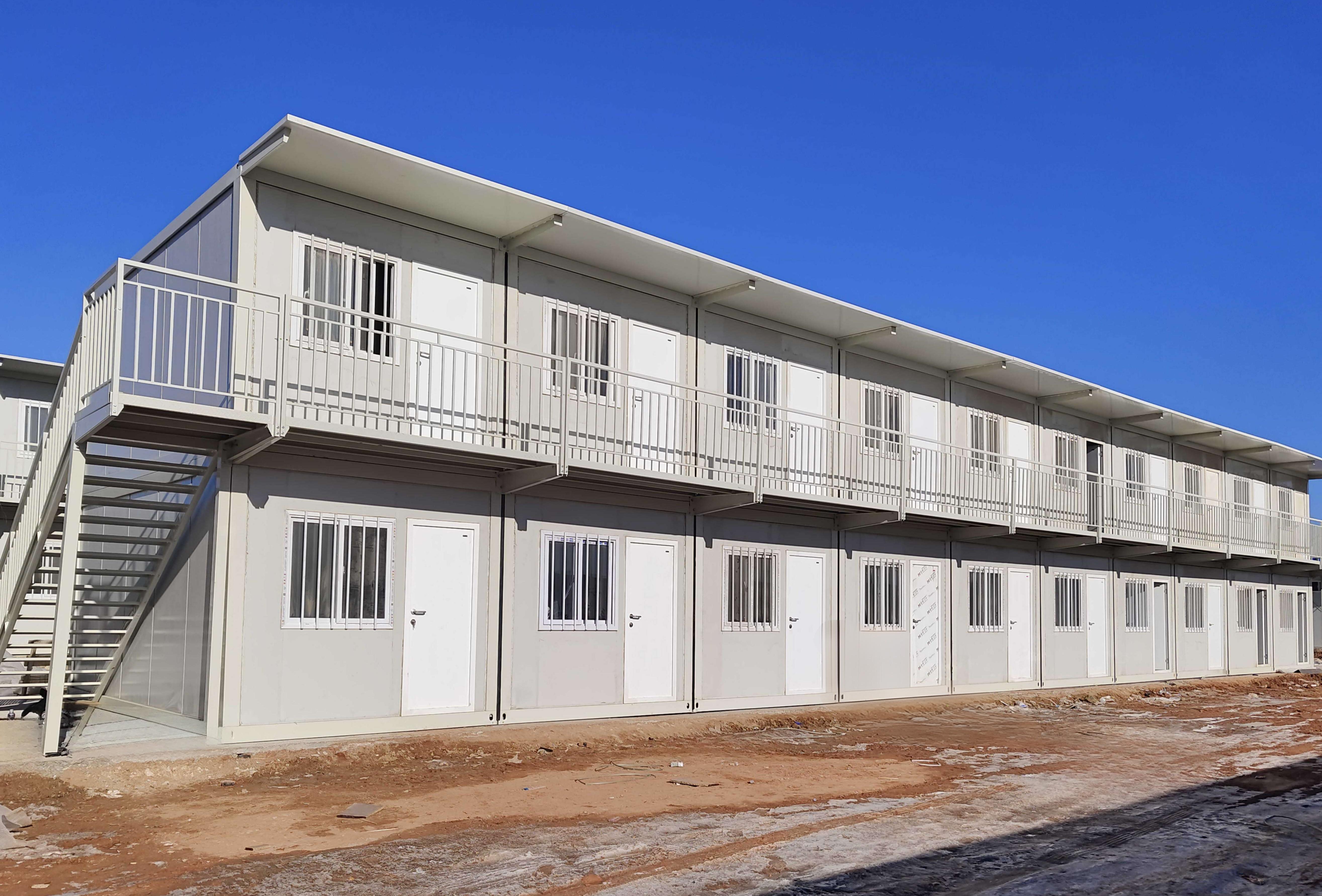
Container houses are a reliable solution for temporary housing needs, such as construction site dormitories, military barracks, and emergency shelters. They can be quickly deployed in disaster zones, providing safe, secure housing for displaced people. Their durability and portability make them ideal for situations where speed and reliability are critical.
Office & Workspaces
Many startups and creative companies are choosing container offices for their unique aesthetic and cost savings. Container offices can be customized to include open work areas, private offices, meeting rooms, and break spaces—all while maintaining a modern, industrial vibe. They’re also a great option for remote workspaces or temporary offices for construction projects.
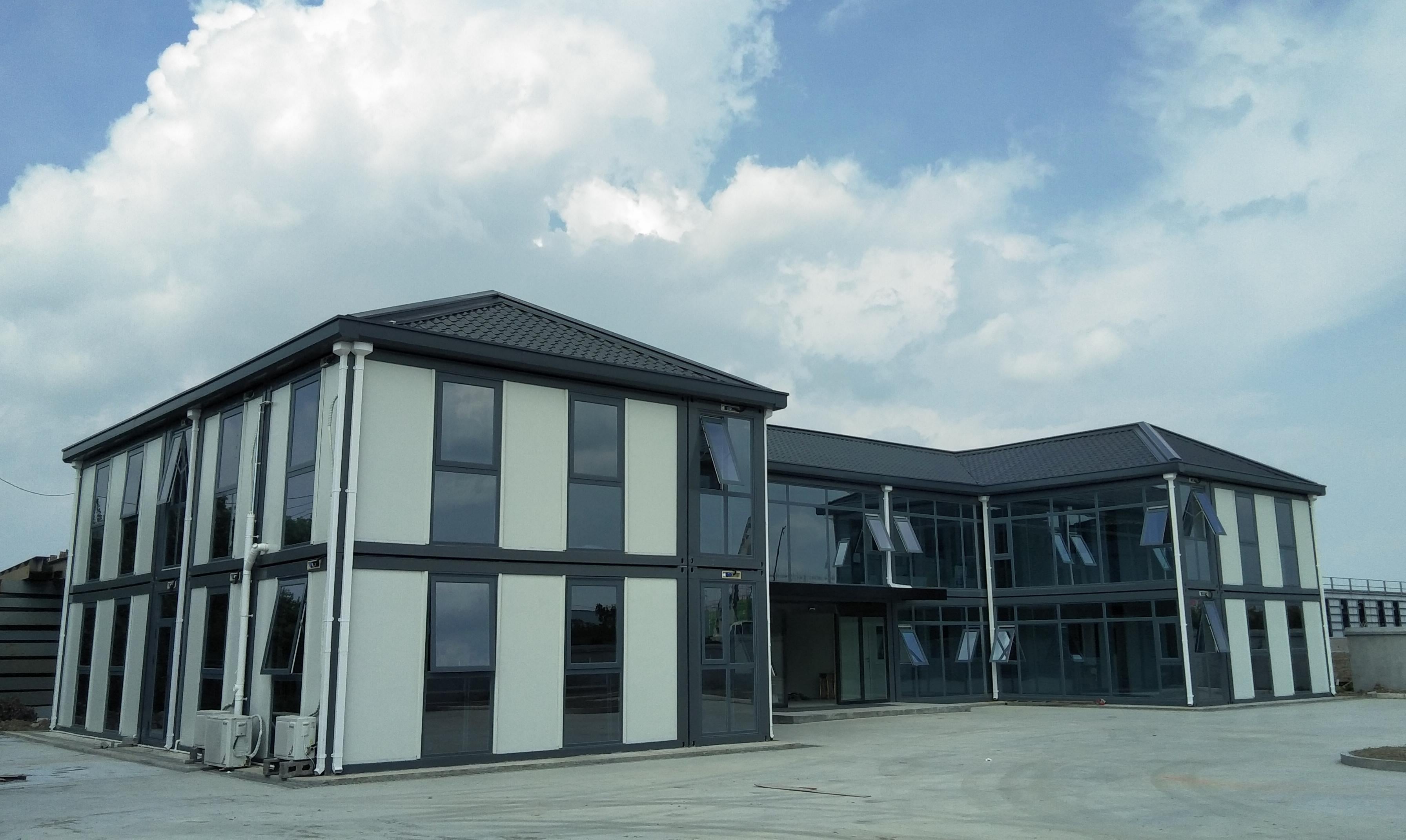
The Future of Container Houses: Trends to Watch in 2026
As the construction industry continues to evolve, container houses are poised for even greater growth. Here are the key trends shaping the future of this innovative building method:
-
Smart Integration: More container homes are incorporating smart home technology, such as automated lighting, temperature control, and security systems, to enhance comfort and convenience.
-
High-End Customization: Luxury container homes are on the rise, with high-end finishes, custom designs, and premium amenities—proving that container houses can be both affordable and luxurious.
-
Policy Support: Governments around the world are increasingly supporting modular and sustainable construction, with policies that streamline permits and incentives for container house projects. In 2026, the global prefabricated integrated housing market is expected to exceed $32 billion, with container houses accounting for a significant share.
-
Eco-Friendly Innovations: Advances in insulation materials and renewable energy integration are making container houses even more sustainable, with net-zero energy consumption becoming a realistic goal for many projects.
Is a Container House Right for You?
If you’re looking for a sustainable, affordable, and flexible building solution, a container house could be the perfect fit. Whether you’re building a home, starting a business, or creating a vacation space, container houses offer a unique combination of benefits that traditional construction can’t match. They’re durable, customizable, and eco-friendly—all while saving you time and money.
As the world shifts toward more sustainable and efficient building practices, container houses are no longer just a trend—they’re the future of construction. Whether you’re a homeowner, developer, or entrepreneur, now is the time to explore the possibilities of this innovative building method.
Ready to start your container house journey? Contact our team today to learn more about custom designs, installation, and how we can help bring your vision to life.
 Hot News
 EN
EN