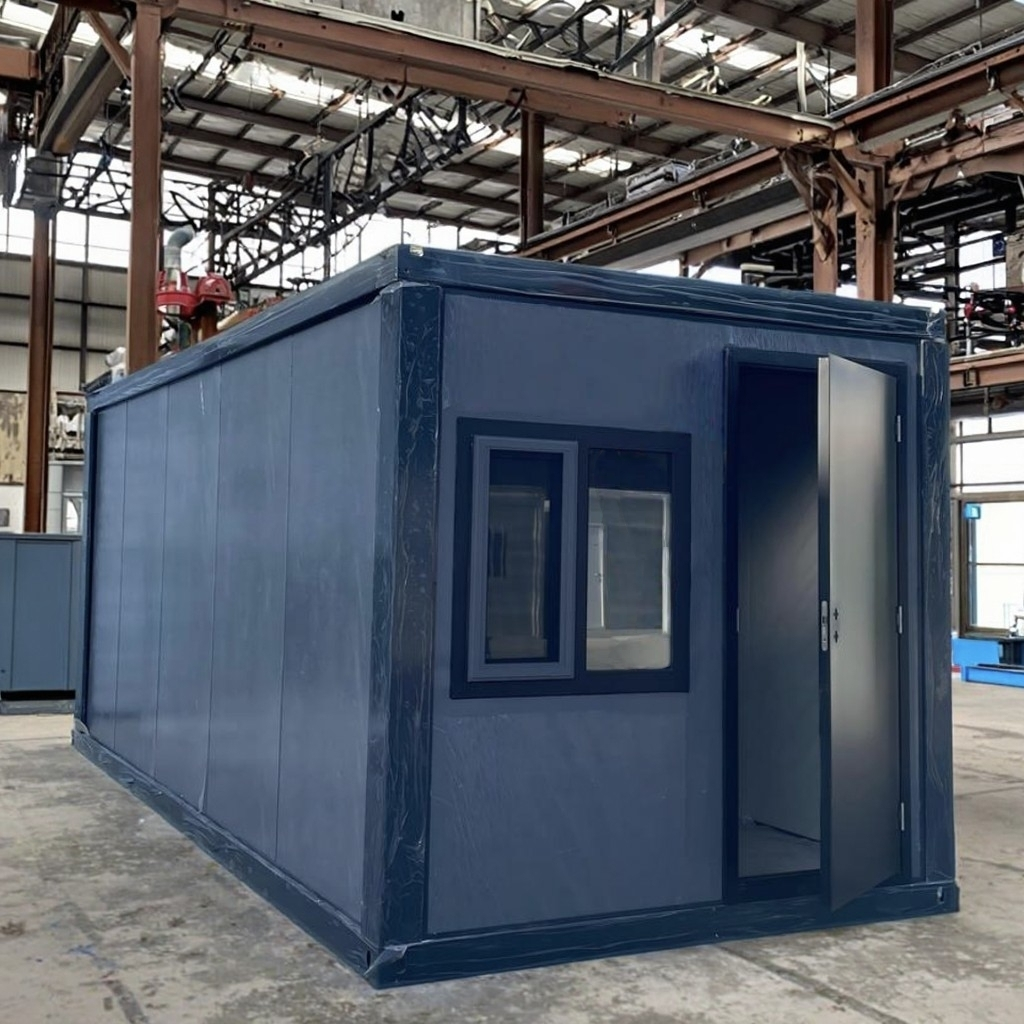
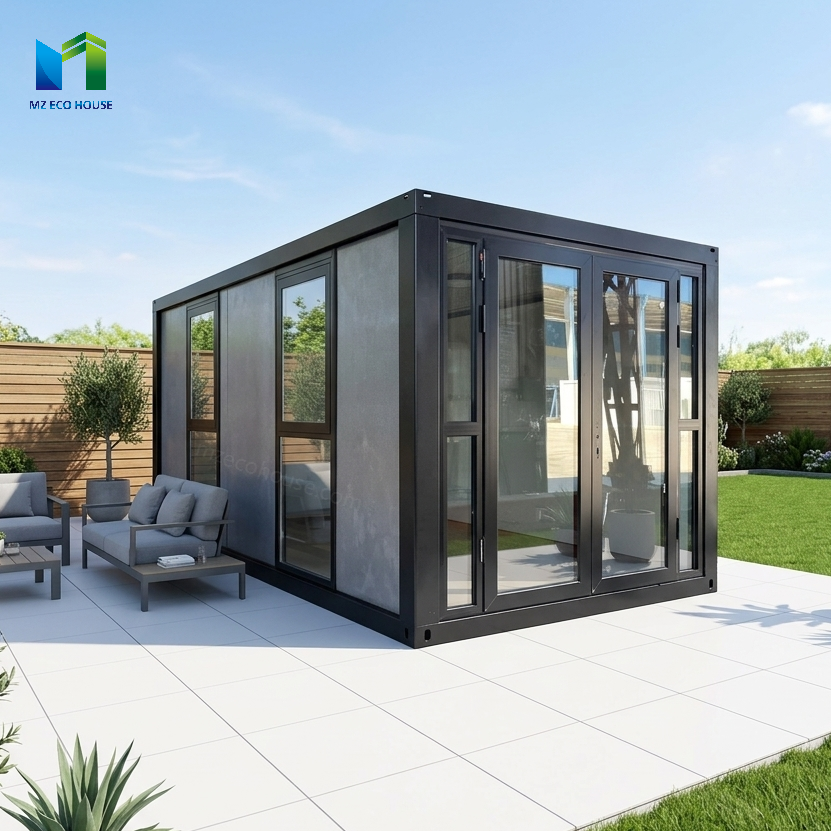
Студенттарды, ишчилерди же аскерлерди жайгаштыруу маселеси тууралуу сөз болгондо, туура түрдөгү общежитие чечими тандоо — маанилүү кадам. Жылдар бою, традициондук кирпичтен жасалган общежитиелер негизги вариант болуп келди. Бирок акыркы жылдарда, жазык-такмачтуу контейнердик общежитиелер — алардын алдын ала даярдалган, жазык түрдө жеткирүүгө ыңгайлуу жана сайтта тез жыйрана турган түрү — чыныгы конкурент болуп чыкты.
Ошентсе да, кийинки долбооруңуз үчүн кайсы бири туура?
Бул толук салыштырма ичинде биз баа, курулуш убактысы, төзүмдүүлүк, иштетүүгө ыңгайлуулугу жана жашоого ыңгайлуулугу боюнча негизги айырмаларды талдап чыгабыз — андагы маалыматтарга негизделген, негизделип турган чечим кабыл алууңузга жардам беребиз.
| Баалуулук критериялары | Традициондук общежитие | Жазык-такмачтуу контейнердик общежитие |
| Курулуш мүддөтү | 6–12 ай | 1–4 апта |
| Бирдик башына чыгым | Жогору (эмгек чыгымдары + материалдар) | Төмөнкү (заводдо жасалган) |
| Негиз талап кылынат | Ооба (терен негиз) | Аз (таянычтар же колонналар) |
| Көчүрүлүүчү | No | Ооба |
| Масштабдалыш | Чеч бере албайт | Жөнөкөй (кез келген убакта бөлүмдөрдү кошуу мүмкүн) |
| Жашоосуздук мөөнөтү | 50+ жыл | 25–30 жана андан ашык жыл (кызмат көрсөтүү менен) |
| Рулетинин татаалдыгы | Жогорку | Орточо же Төмөнкү |
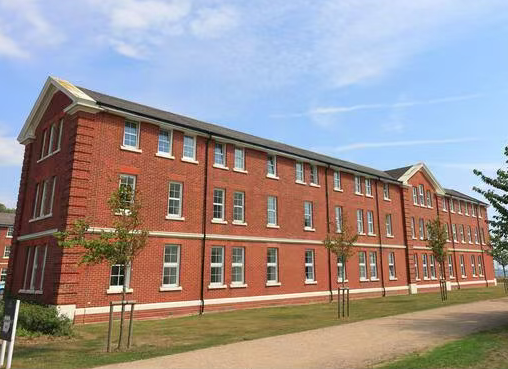
Алгачкы ортодуктар: минимум 6–12 ай
Алгачкы куруу баяс. Сизге сайтты даярдоо, негиздүү, каркас тургузуу, электр тармагын жайгаштыруу, суу менен камсыз кылуу, изоляциялоо, гипсокартон менен каптоо, бояп чыгаруу — ар бир этап өз алдынча иштейт. Аба ылдамдыгы, ишчилердин жетишпөөсү жана материалдардын жетишпөөсү кеңири таралган.
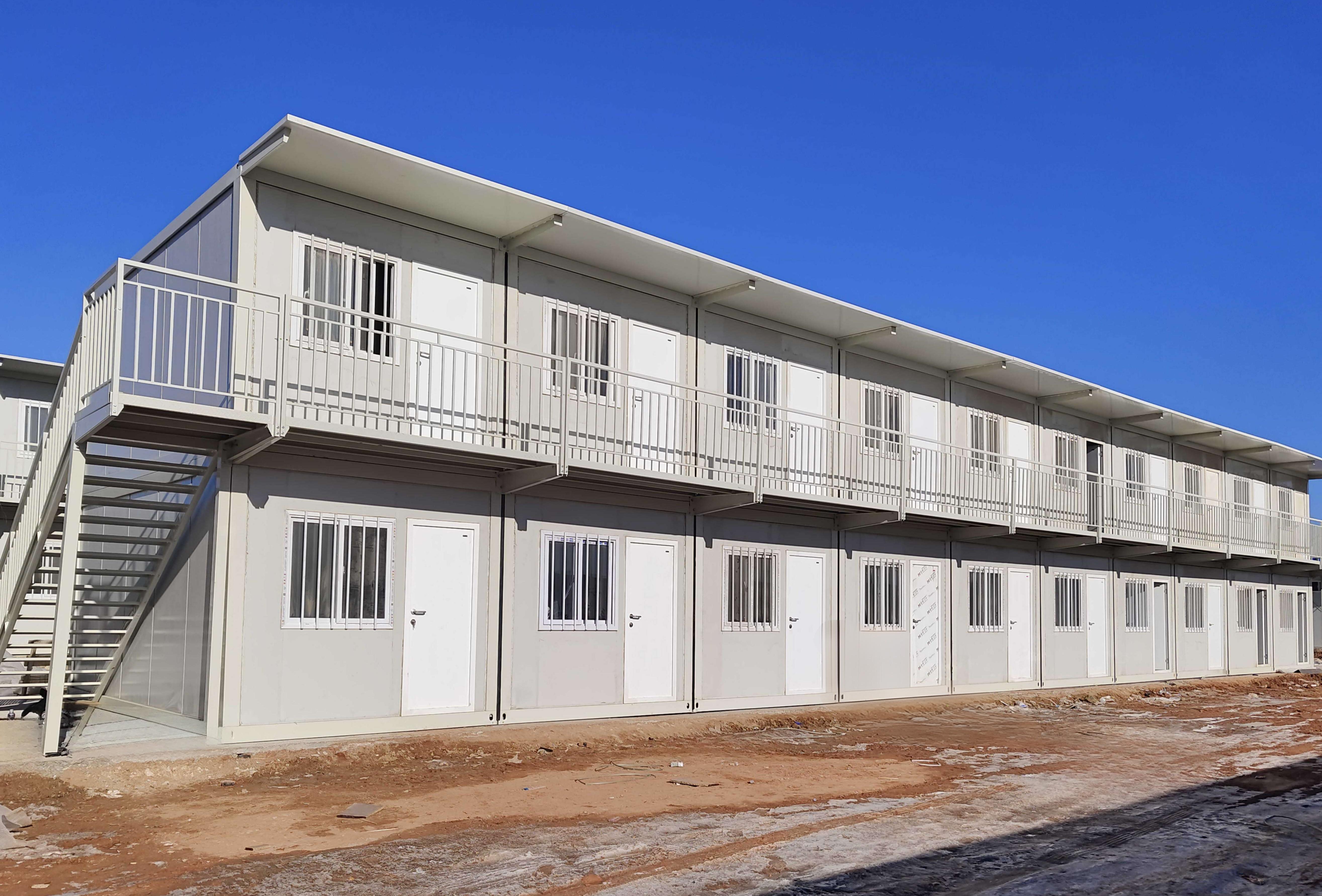
Тегерек пакеттик контейнердик жашагычтар: буйруу берилгендэн кийин 1–4 апта ичинде жашагычтарга кирип калууга болот
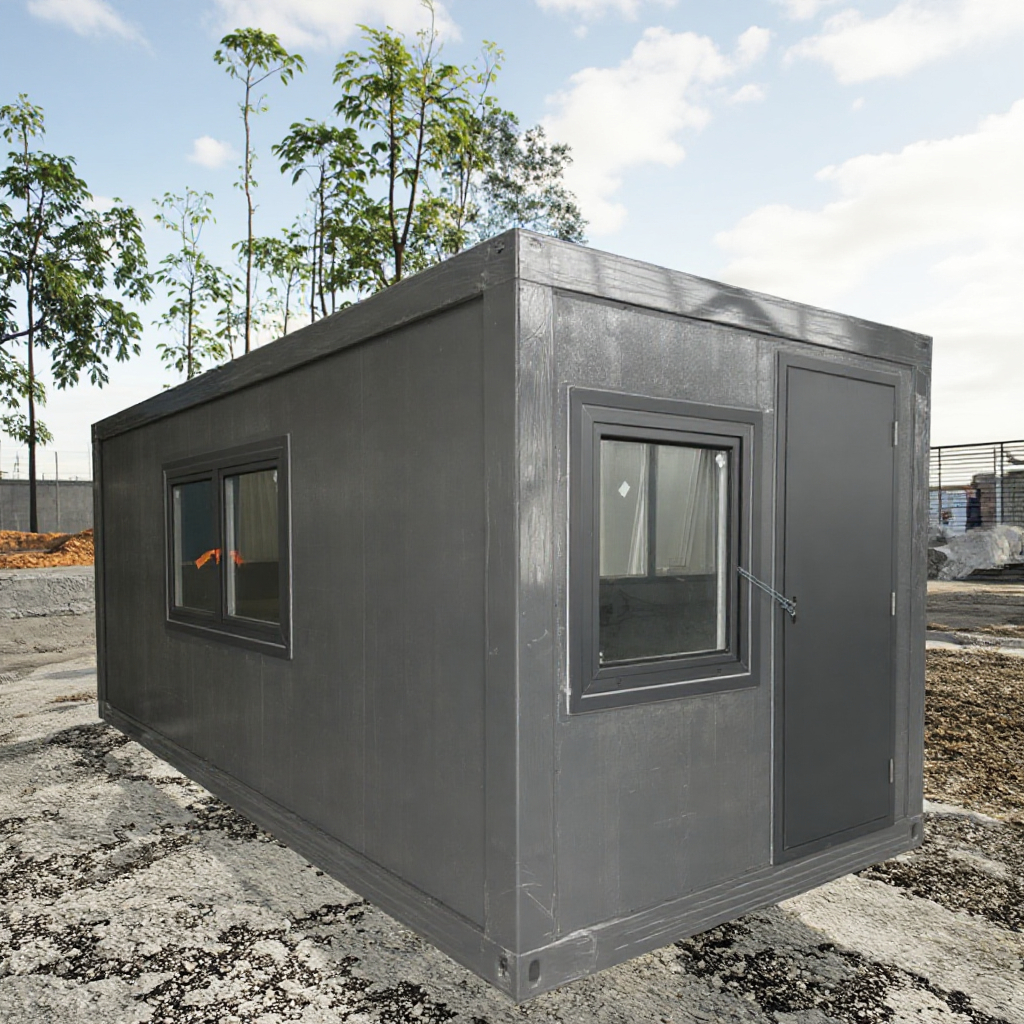
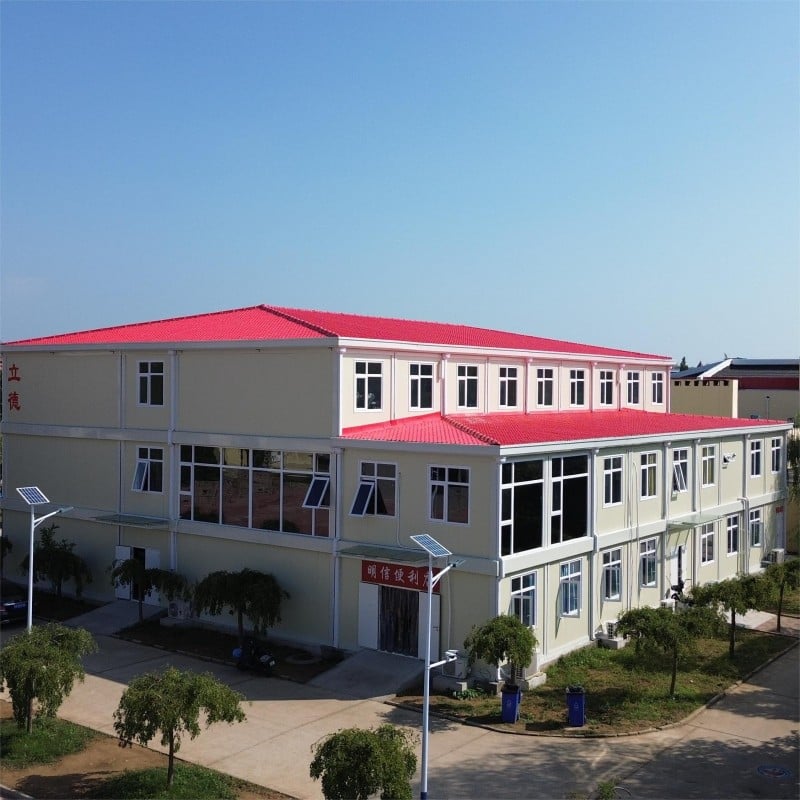
Тегерек пакеттик контейнердик жашагычтарда иштин 80–90% иши заводдо аяктатылат. Дубал, чатыр жана эстетикалык панелдер жана бардык компоненттер иштетилгенден кийин жеткилүү үчүн тегерек пакетке салынат, андан кийин жөнөкөй инструменттер менен жана байланыштыргычтар менен сайтта жыйнап чыгарылат. 20 бөлмөлүү жашагычты бир нече күндөн ичинде орнотууга болот — мебельди коюп, жашагычка кирип калууга бир апта ичинде даяр болот.
✅ Жеңишчи: Тегерек пакеттик контейнердик жашагыч
Алгачкы жашагычтар: Баштапкы чыгымдар жогору, узак мөөнөттүү чыгымдар баштапкыдан кийин туруктуу
Жайгашуу жана жасалгысына жараша алгачкы жашагычтардын баасы төмөнкүдөй: 1 квадрат футка $150–$300 эмгек — эң чоң чыгымдардын бири, жана күтүлбөгөн сайттын шарттары же өзгөртүү талаптары сыяктуу себептерден чыгымдар көпчилүкчө 10–20% га ашып кетет.
Тегерек-пакеттик контейнердик жашагычтар: Төмөнкү баштапкы чыгымдар, төмөнкү эмгек чыгымдары
Тегерек-пакеттик контейнердик жашагычтардын баасы адатта квадрат футка $80–$150 , бул ичке жасалган жана изоляцияны жакшыртуу деңгээлине жараша өзгөрөт. Эң ири үнөмдүүлүктөр төмөндөгүлөрдөн пайда болот:
Заводдун эмгеги (он-сайттагы квалификацияланган уста-эмгектин баасынан төмөн)
Тез курулуш (проектти башкаруу боюнча кошумча чыгымдар азаят)
Таяныч талаптары минималдуу
Тейлөөчү тегерек-пакеттик жеткирүү (бир контейнерге көп бирдик жеткирүү = логистикалык чыгымдар төмөн)
✅ Жеңишчи: Тегерек пакеттик контейнердик жашагыч (адатта 20–40% чыгымдардын үнөмдүүлүгү)
Алгачкы жатакханалар: 50 жылдан ашып
Жакшы түзүлгөн алгачкы жатакхана жарым гасырдан ашып тура алат. Бирок, карау керек — чатыр, ЖЖК, суу-тазалык жана электр системалары бардыгы да узакка сакталбайт.
Тегеректелген контейнер жатакханалары: 25–30 жылдан ашып
Тегеректелген контейнер үйлөрү жогорку сапаттагы цинк менен капталган болот каркастардан жана плита-панелдерден жасалган, алар экстремалдуу аба ырайына жана коррозияга чыдамдуу болуп келет. Аларды туура жыйнап, карау кылып турганда, тегеректелген контейнер жатакханасы оңой гана 25–30 жылга созулушу мүмкүн. Көпчүлүк долбоорлор үчүн — студенттик жатакханалар, ишчилер лагерлери же убактылуу аскердик жатакханалар — бул толугу менен жетиштүү.
✅ Жеңишти ким талап кылган: Тегеректелген контейнер жатакханасы (25 жылдык ROI горизонту үчүн)
Алгачкы жатакханалар: туруктуу жана катуу
Бир жолу курулган алгачкы жатакхана туруктуу болот. Массаны көбөйтүү үчүн жаңы куруу долбоору керек — лицензиялар, негиз, подрядчылар — бардыгы кайрадан башталаат. Кайрадан жыйнап чыгуу дээрлик мүмкүн эмес.
Тегеректелген контейнер жатакханалары: модулдуу жана кеңейтүүчү
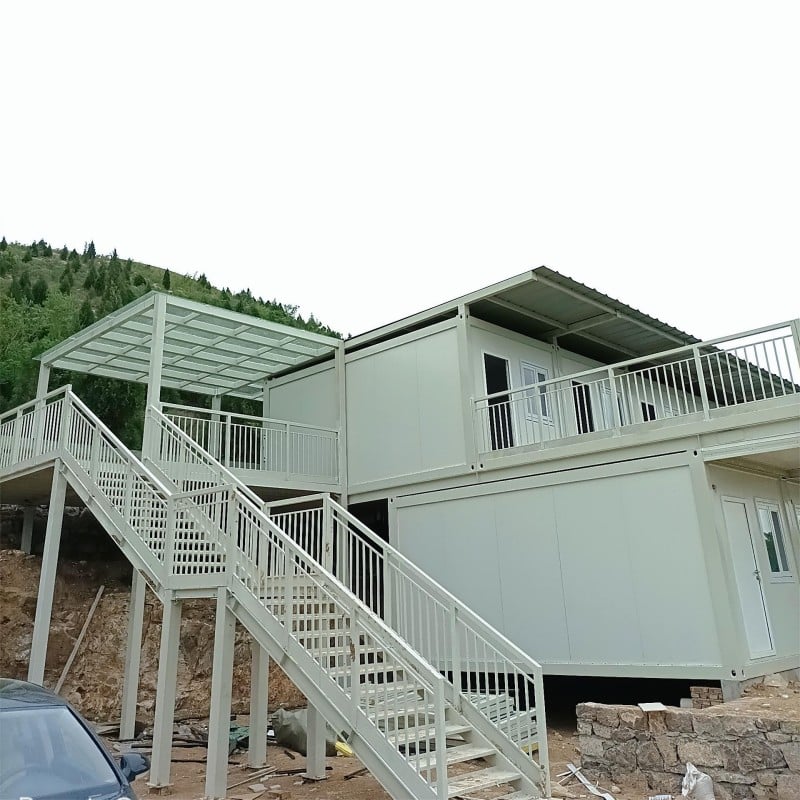
Тегерек-пакеттик контейнердик жатакханалар табигый түрдө модулдуу. Келгиси жылы 10 бирдикти кошуп коюу керекпи? Жөн гана дагы бир партияны буйрутуп, кичинекей аянтты даярдап, жыйратып коюңуз. 3 жылдык долбоордон кийин бүткүл жатакхананы жерге которуу керекпи? Тегерек-пакеттик бирдиктерди чачырап, тегерек пакетке салып, жеткирүүгө жөнөтүп, башка жерде жыйратып коюуга болот. Бул төмөнкүлөр үчүн революциялык өзгөрүш:
Кен казылуу лагерлер
Мезгилдик ишчилер үчүн жашоо жайы
Аскердик алдыңкы иштеп турган базалар
Тез өсүп келе жаткан мектептер
✅ Жеңишчи: Тегерек пакеттик контейнердик жашагыч (көпчүлүк менен)
Алгачкы жатакханалар: Таныш, бирок ар дайым жакшы эмес
Алгачкы жатакханалар стандарттуу пландарды сунуштайт — адатта 12×12 же 12×15 метрлик бөлмөлөр, жалпы туалеттер жана бирдиктер ортосундагы дыбыс изоляциясы чектелген. Аяктоолор жогорку сапатта болушу мүмкүн, бирок куруу ыкмасы өзүнчө жакшы ыңгайлуулукту камсыз кылбайт.
Тегерек-пакеттик контейнердик жатакханалар: Туура иштелип чыкса, таң калдырарлык ыңгайлуу
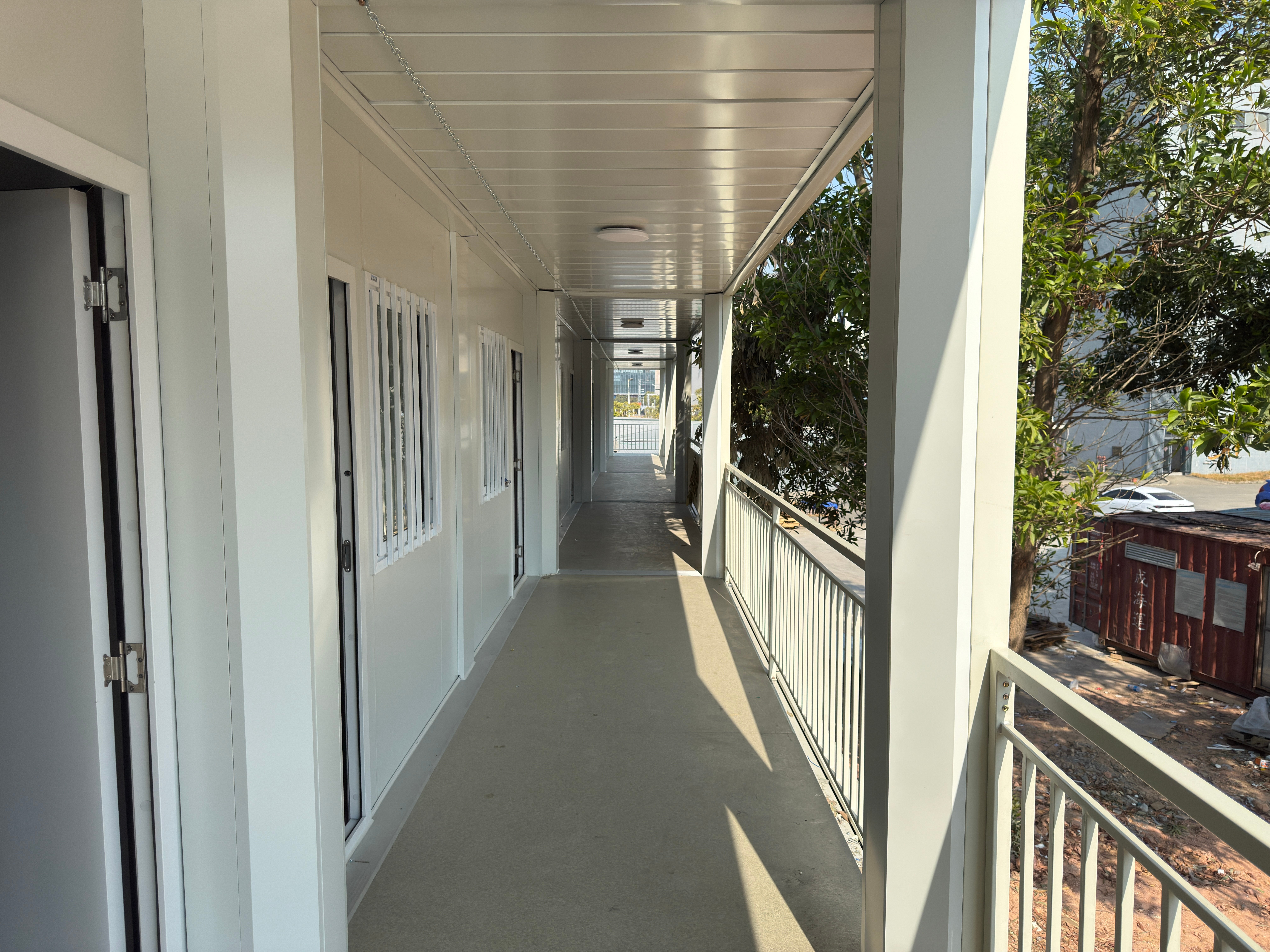
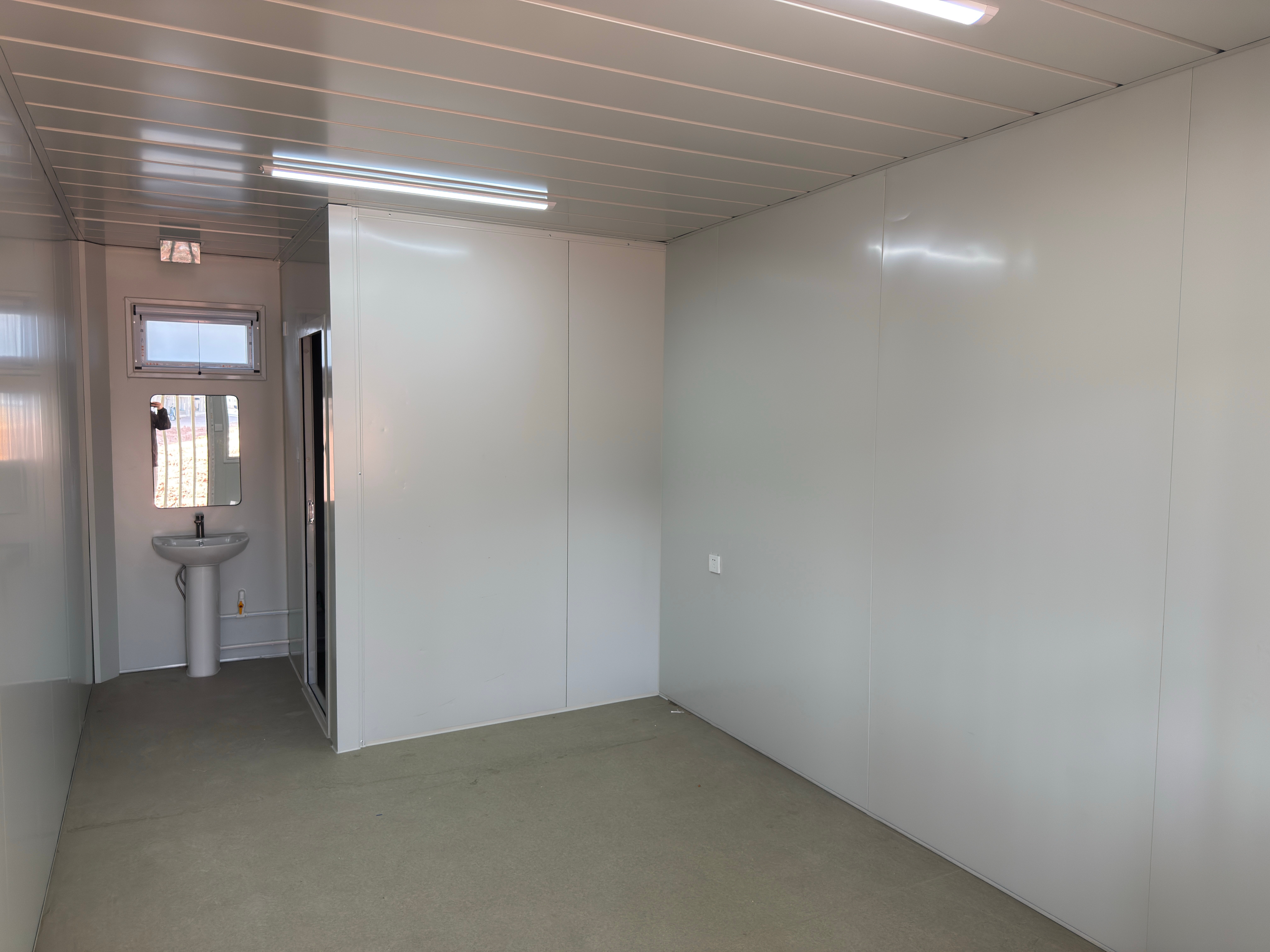
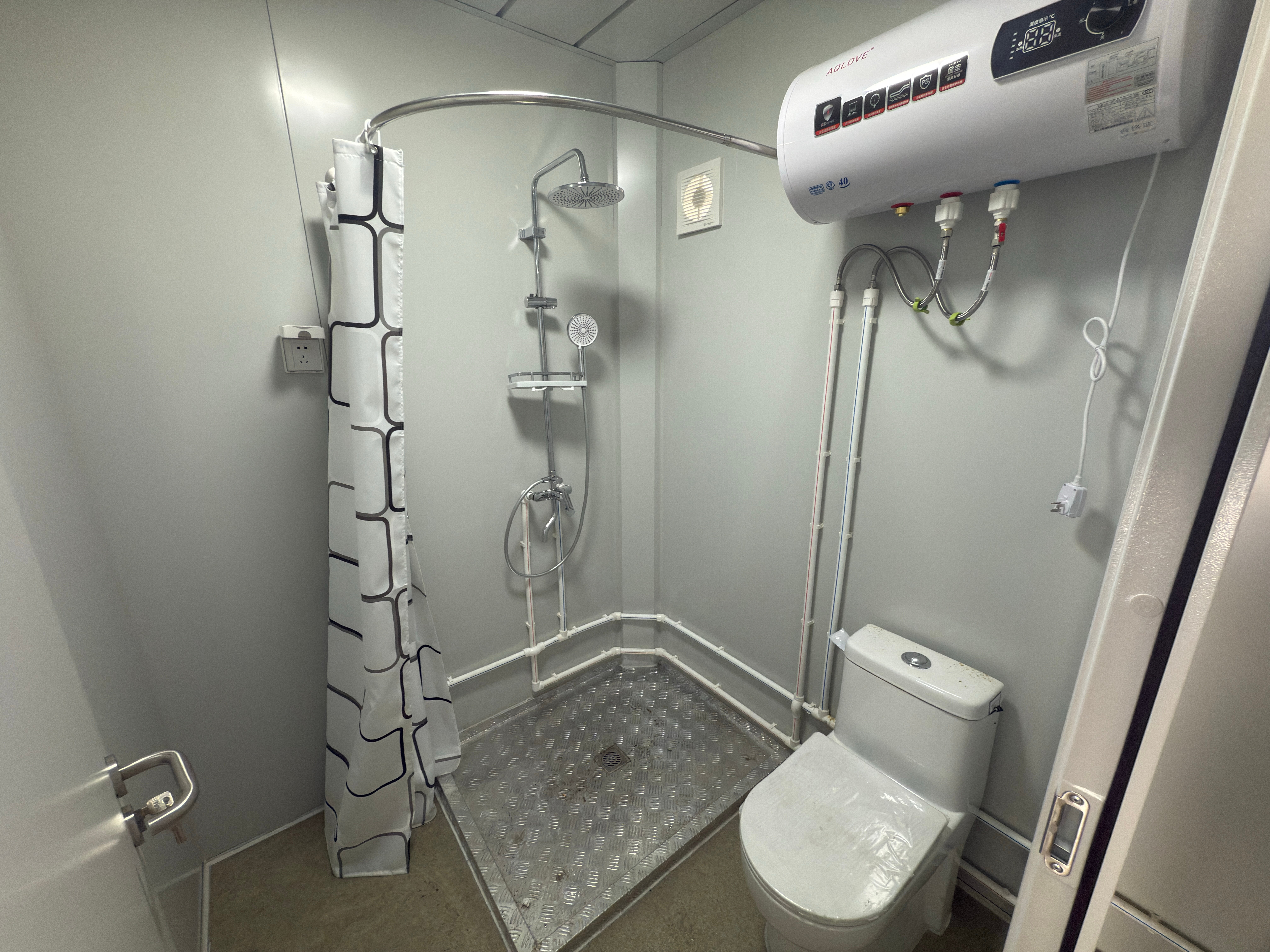
Модерн жазык-пакеттик контейнердык жашагычтар төмөндөгүлөр менен кошумча камсыз кылынат:
Изоляцияланган стеналар/чатыр/эсилдик панелдери (полиуретан же таш жуңгөрдүн ортосунда сэндвич панелдер, R-мааниси 10–20)
Алгыдан орнотулган электр жана суу түтүктөрү (розеткалар, жарык берүүчүлөр, мини-бөлүнгөн кондиционерлер, ваннын баштапкы түтүктөрү)
Алгыдан кесилген терезелер жана эшиктер (герметиктелген жана каркасталган)
Аралаштыруу (жабык стеналардын ортосунда акустикалык изоляция)
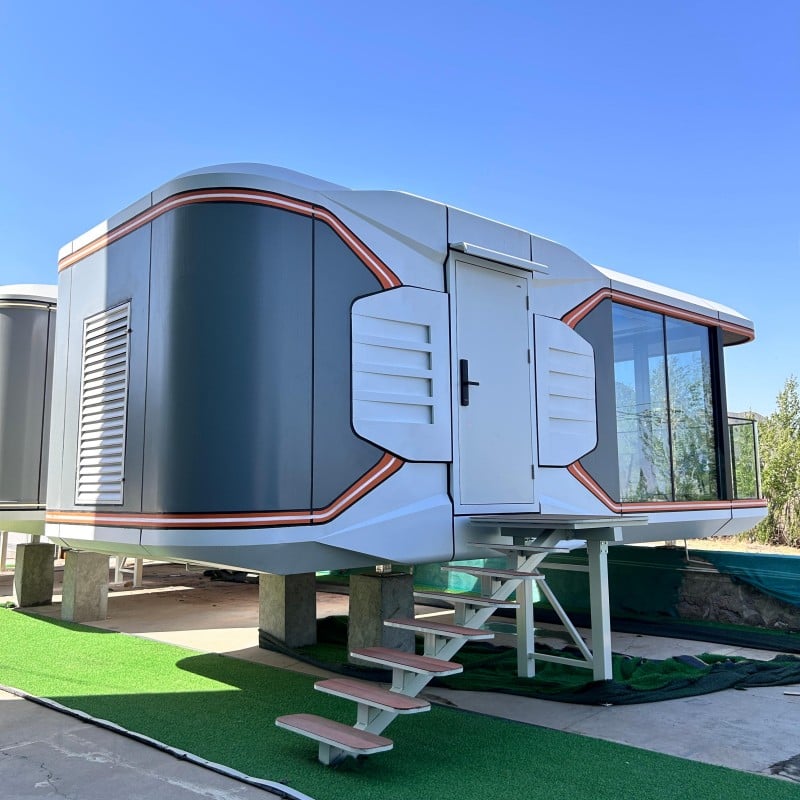
Жазык-пакеттик контейнердык жашагычтардын убактылуу сарайларга окшошуп калышы — бул жалган түшүнүк. Чыныгында, туруктуу ичке каптама жана жакшы ичке жөндөмдөр менен чыгып, көпчүлүк зыйратчылар аларды традициялык курулуштан айырмалай албайт — бирок куруу убактысы тез болот.
✅ Жеңишчи: Дээрлик тең — Эки тарап да туура долбоорлоо менен жогорку жашоо сапатын камсыз кыла алат
Алгачкы үй-бүлөлүк үйлөр: Жогорку карбондук из
Алгачкы үйлөрдүн бетон жана болот өндүрүшү көп CO2 чыгарууга алып келет. Курчоодо куруу чөйрөгө зыян келтирген отходторду — кесилген бөлүктөр, оролмо жана ашыкча материалдарды түзөт.
Тегерек-пакеттик контейнер үйлөрү: Төмөн карбондук из
Тегерек-пакеттик куруу фабрикада так кесүүнү колдонот, бул материалдардын чыгарылышын (адатта 5% дан төмөн) минималдаштырат. Тегерек-пакеттик жүктөрдү ташуу иштеңкелердин санын көбөйтүп, ташуу учурундагы чыгарылыштарды азайтат. Ошондой эле, бирдиктерди жок кылып таштабай, ажыратып алып, башка жерге көчүрүүгө болот, бул алардын пайдалуу узактыгын узартат.
✅ Жеңишчи: Тегерек пакеттик контейнердик жашагыч
Сизге 50 жылдан ашык узактыкта иштеген үй керек болсо
Жергиликтүү куруу эрежелери тагылган тегерек-пакеттик курууну тааныбаган болсо
Сиздин бюджетиңиз чексиз жана узак мөөнөтүңүз бар
Бинаны кандайдыр бир учурда жылдыруу же кеңейтүү кереги болбойт
Сизге жай-жайдын кереги бар жОГОМУШ (апталар, айлар эмес)
Сиздин бюджетиңиз белгилүү же чектелген
Сизге кэпилдик берүү, жылдыруу же кайрадан сатуу кеңейтүү, жылдыруу же кайрадан сатуу бөлмөлөрдү кийинчерэки керек кылуу мүмкүн
Сиз ишчи лагерин, студенттер шаарчасын, авариялык жай-жайын же аскер базасын куруудасыз
Сиз заводдун сапатын контролго алууну жерде иштегендин өзгөрүүчүлүгүнө караганда башка таңдайсыз
Сиз жеткирүү чыгымдарын минималдуу деңгээлге келтирүүнү каалайсыз (жазык-такта = контейнерге көбүрөөк бирдик)
Жалпысынан: Жазык-такталык контейнердик жашагычтар орусундагы көпчүлүк заманбап жашагыч долбоорлору үчүн жогорку деңгээлдеги таңдама — айрыкча, ылдамдык, бюджет, жеткирүүнүн эффективдүүлүгү жана болочоктогу эсепке алынуучулук приоритет болгондо.
Бирок, традициялык жашагычтар 50 жылдан ашык убакытка арналган, туруктуу институттук биналар үчүн дагы да маанилүү, анда жергиликтен жылдыруу эч качан каршылык таппайт.
Ат Hebei Modular Green Building Technology Co., Ltd. компаниясы — жазык-такталык тез-жыймалануучу контейнердик жашагычтарга максималдуу жеткирүү эффективдүүлүгү менен жеткирүүгө жана жазык-такталыктан пайдаланууга дейин бир нече күндөн кийин өтүүгө мүмкүндүк берген продукттарга маманданган.
Биз сунуштайбыз:
✅ Максималдуу жеткирүү эффективдүүлүгү үчүн жазык-такталык дизайн (40 футтук контейнерге 40+ бирдик)
✅ Жөнөкөй куралдар менен тез орнотуу
✅ Алгыдан даярдалган электр, суу жана изоляция
✅ Өзгөртүлгөн пландар (баш бирдикте 2–8 орун)
📞 Бугойнуу үчүн биз менен байланышыңыз бесплаттуу баа суроо же заводго экскурсияга талап берүү үчүн.
📩 Электрондук почта: [email protected]
🌐 Веб-сайт: mzecohouse.com
📍 Заводдун жайгашуусу: Хэбэй провинциясы, Луаньнан экономикалык өнүгүү зоны, Цуй Дун паркы, Наньхуан жолунун түндүк жагы, Хуанхэ авенюсунун чыгыш жагы
 Ысык жаңылыктар
 EN
EN