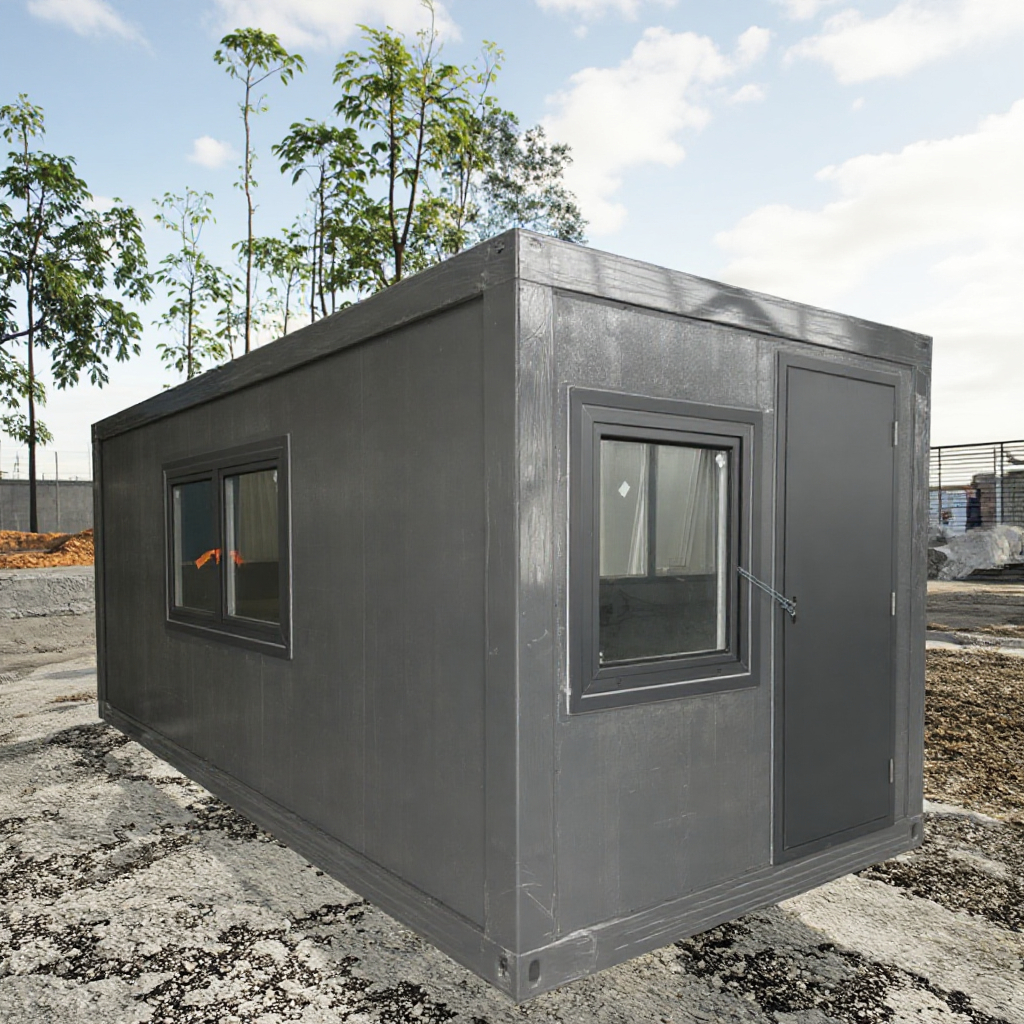
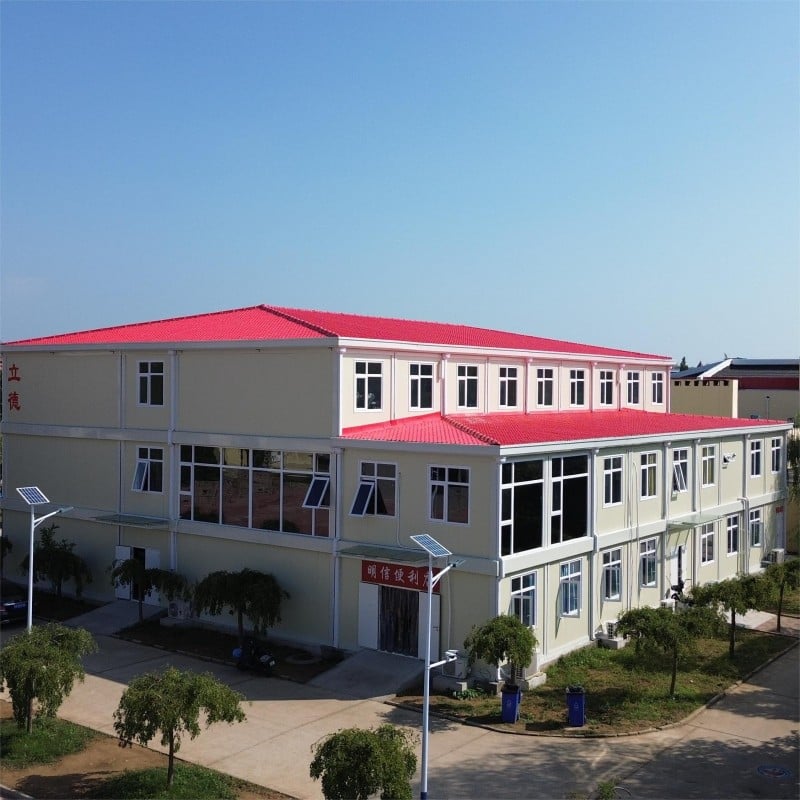
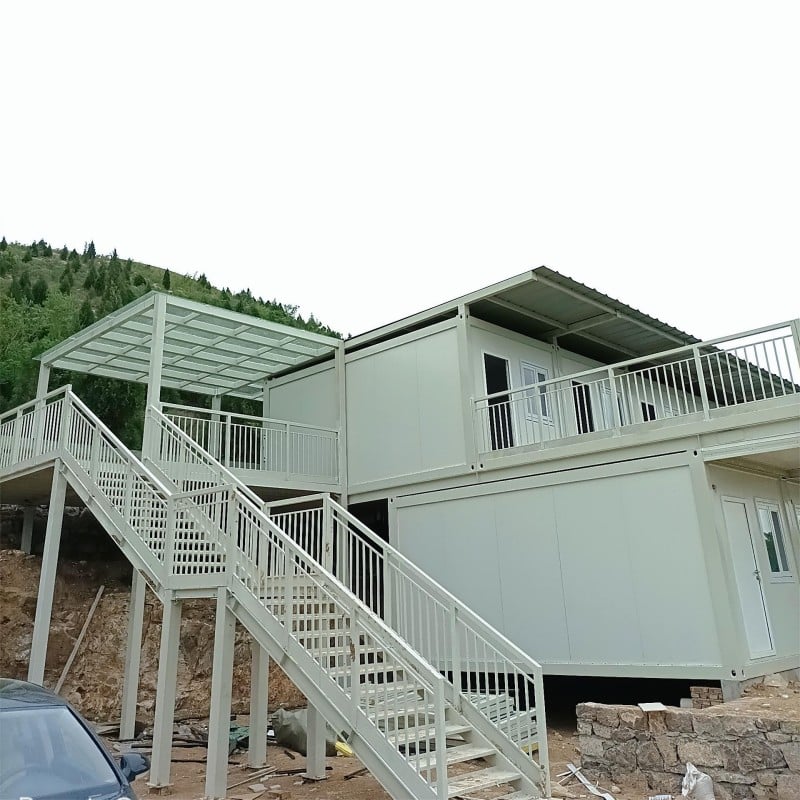
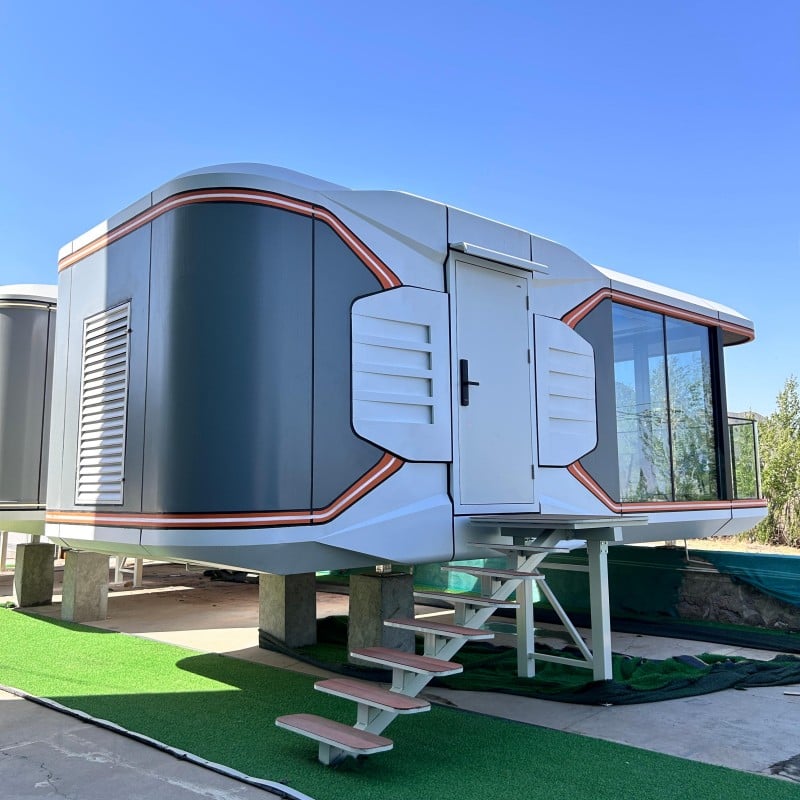
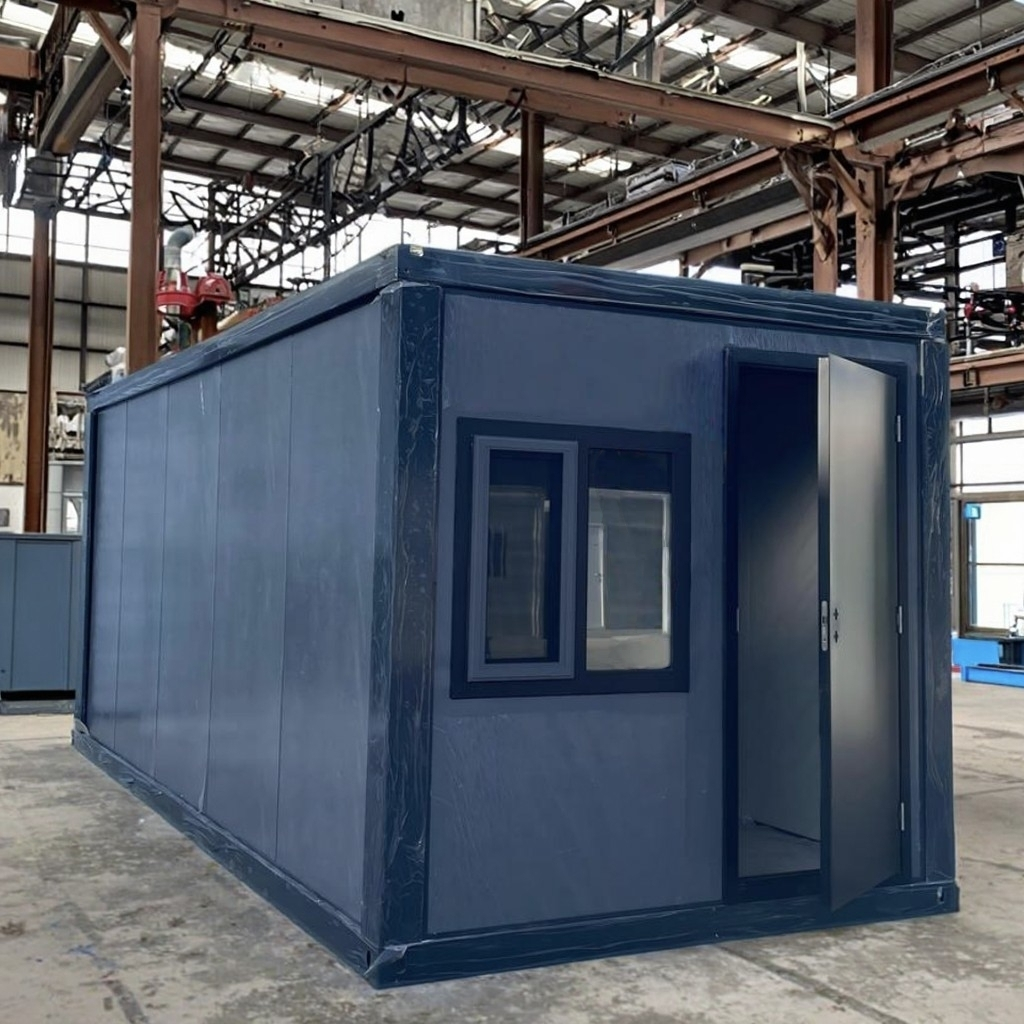
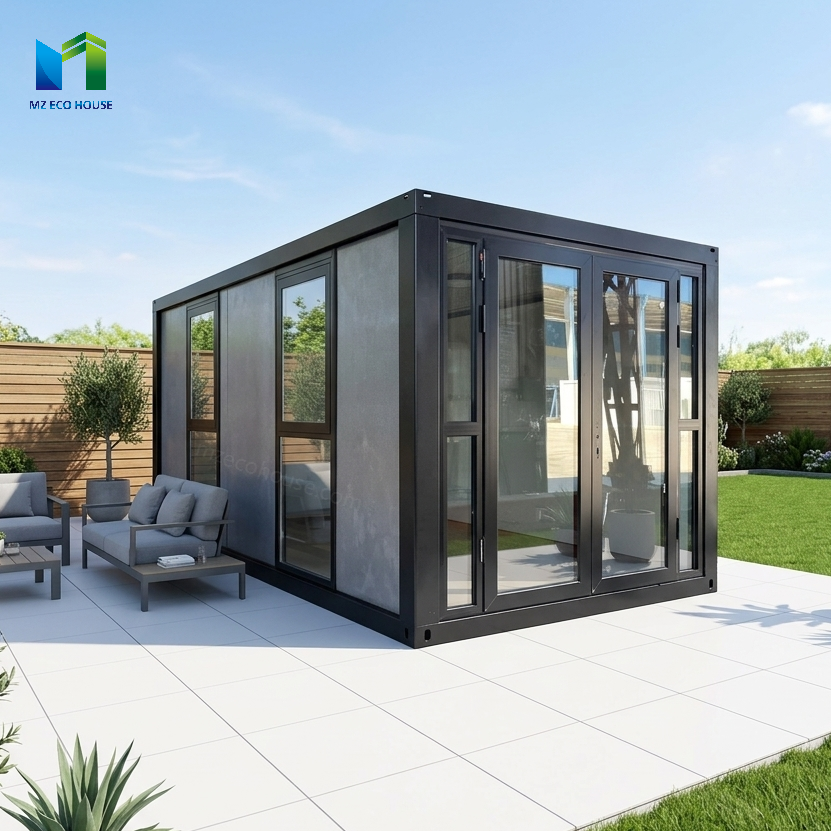
Когда речь заходит о размещении студентов, рабочих или военнослужащих, выбор правильного решения для общежития является критически важным решением. На протяжении десятилетий традиционные кирпичные общежития были стандартным вариантом. Однако в последние годы общежития из плоских контейнеров — предварительно собранные на заводе, доставляемые в разобранном виде и быстро монтируемые на месте — вышли на первый план как серьёзная альтернатива.
Так какой же вариант подойдёт для вашего следующего проекта?
В этом полном сравнении мы подробно рассмотрим ключевые различия по таким параметрам, как стоимость, сроки строительства, долговечность, гибкость и комфорт проживания — чтобы помочь вам принять обоснованное, основанное на данных решение.
| Критерии | Традиционное общежитие | Общежитие из плоских контейнеров |
| Время строительства | 6–12 месяцев | 1–4 недели |
| Стоимость единицы продукции | Выше (трудозатраты + материалы) | Ниже (изготовлено на заводе) |
| Требуется фундамент | Да (глубокий фундамент) | Минимальный (опорные площадки или сваи) |
| Перемещаемые | No | Да |
| Масштабируемость | Сложных | Просто (можно добавлять модули в любое время) |
| Срок службы | 50+ лет | 25–30+ лет (при регулярном техническом обслуживании) |
| Сложность получения разрешений | Высокий | Умеренный до низкого |
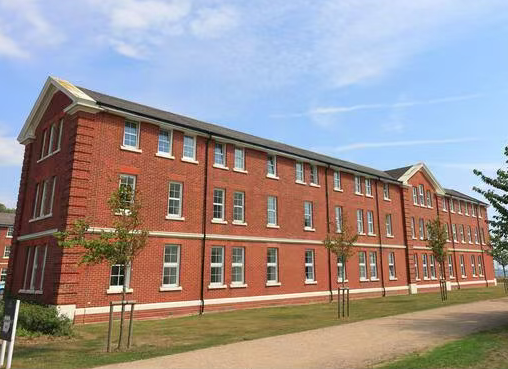
Традиционные общежития: минимум 6–12 месяцев
Традиционное строительство медленное. Требуются подготовка площадки, заливка фундамента, возведение каркаса, электромонтаж, сантехнические работы, утепление, монтаж гипсокартона, покраска — каждый этап зависит от завершения предыдущего. Распространены задержки из-за погодных условий, нехватки рабочей силы и проблем с поставками материалов.
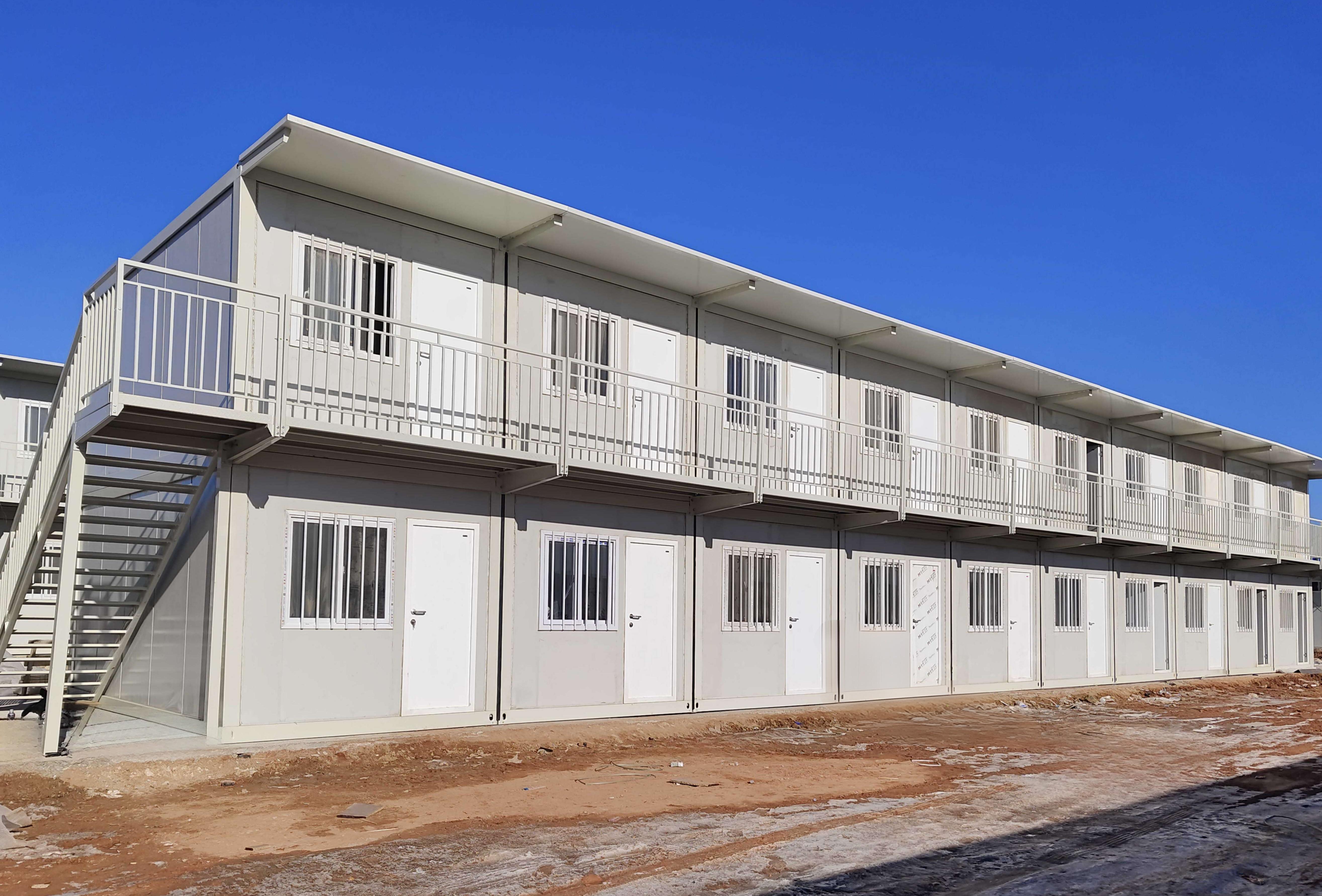
Общежития из плоских контейнеров: 1–4 недели от заказа до заселения
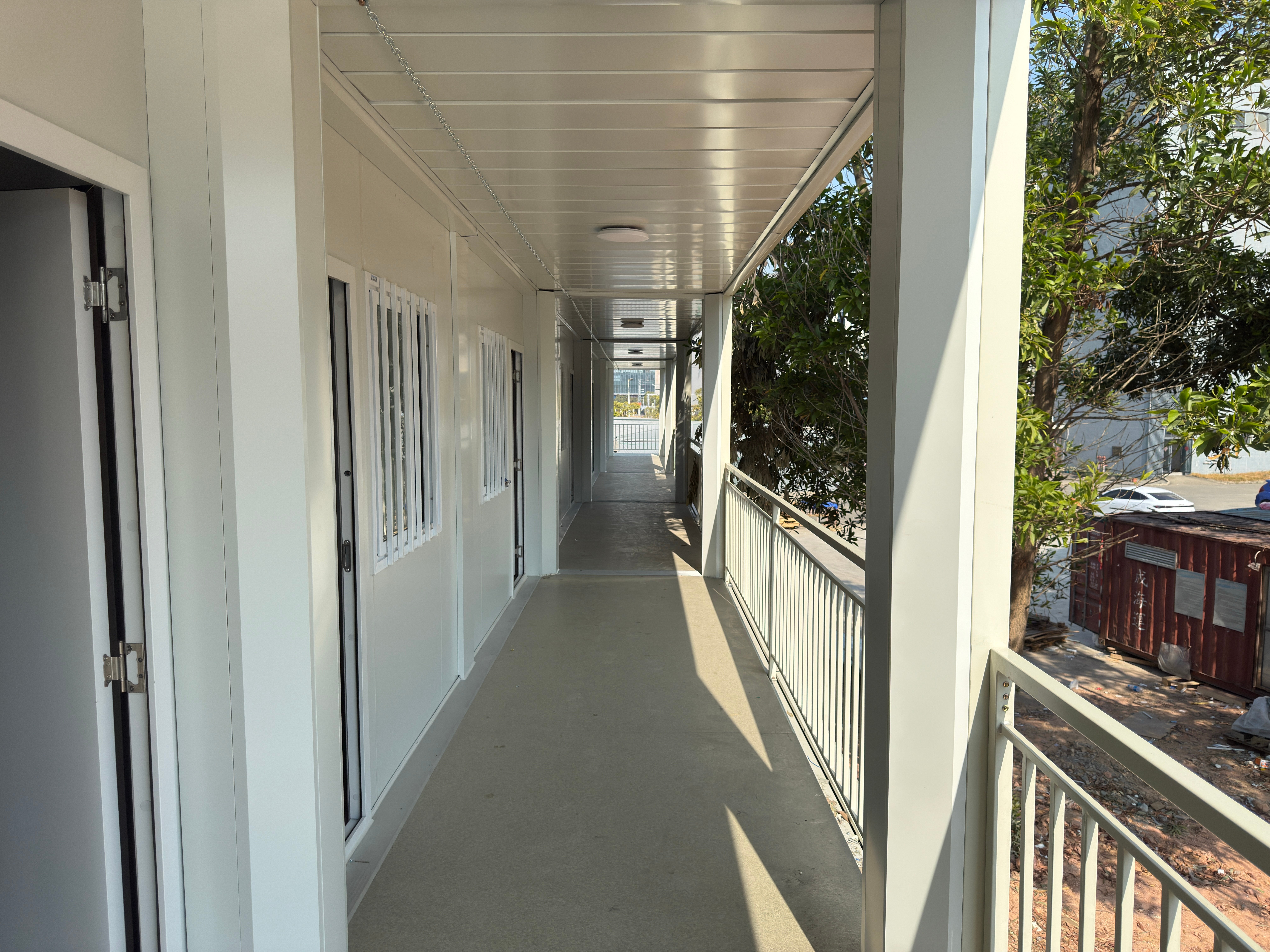
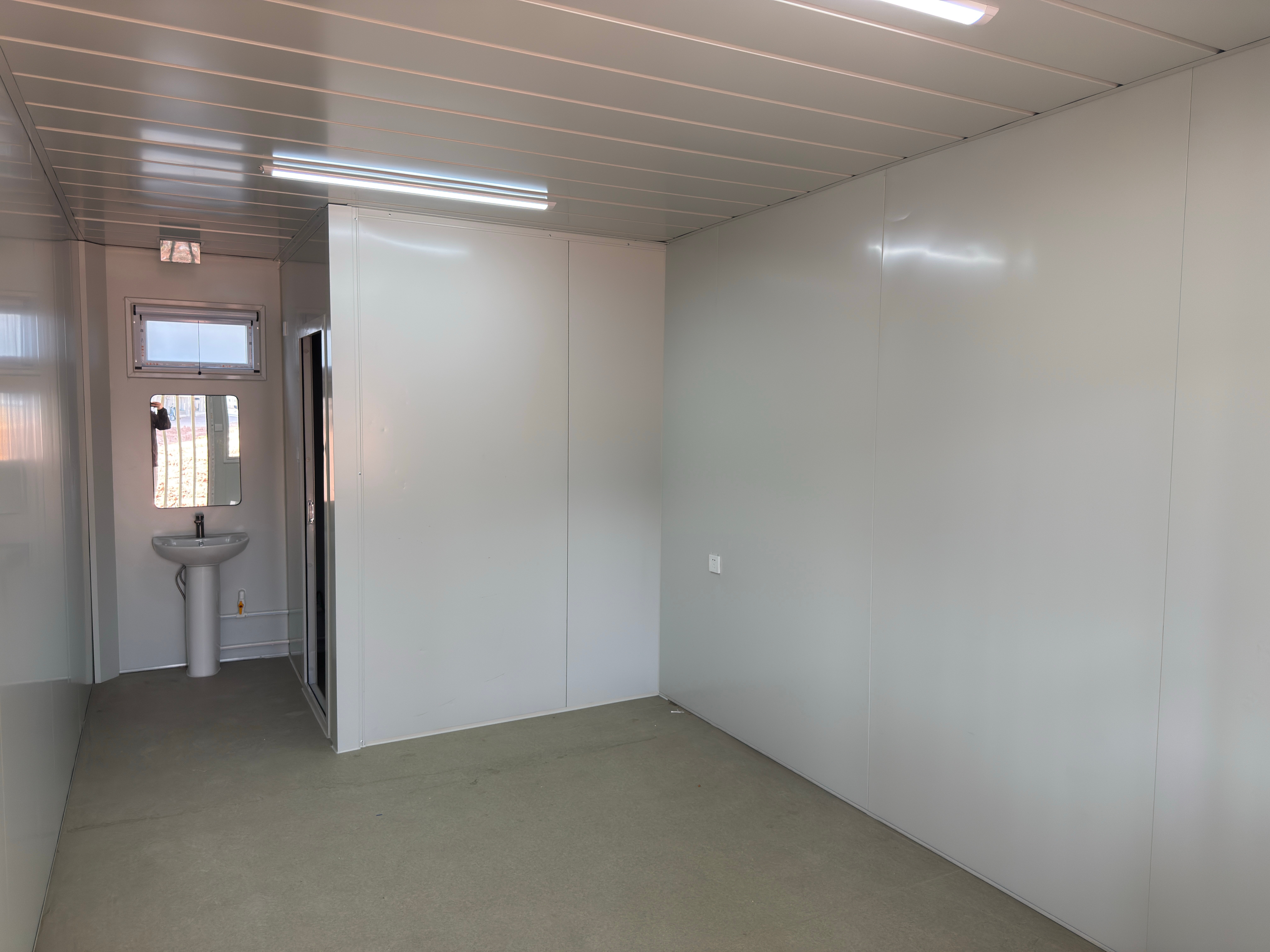
При использовании модульного спального корпуса в виде плоских сборных контейнеров 80–90 % работ выполняется на заводе. Стеновые, кровельные и напольные панели, а также все компоненты изготавливаются заранее, упаковываются в плоском виде для транспортировки и затем собираются на месте с помощью простых инструментов и соединителей. Монтаж спального корпуса на 20 мест занимает всего несколько дней — через неделю он готов к установке мебели и заселению.
✅ Победитель: Модульный спальный корпус в виде плоских сборных контейнеров
Традиционные общежития: более высокие первоначальные затраты, предсказуемые долгосрочные расходы
В зависимости от местоположения и уровня отделки традиционные общежития обычно стоят 150–300 долларов США за квадратный фут . Заработная плата рабочих является самой крупной статьёй расходов, и фактические затраты зачастую превышают смету на 10–20 % из-за непредвиденных условий на строительной площадке или изменений в объёме работ.
Модульные спальные корпуса в виде плоских сборных контейнеров: более низкие первоначальные затраты, меньшие затраты на рабочую силу
Модульные спальные корпуса в виде плоских сборных контейнеров обычно стоят 80–150 долларов США за квадратный фут , в зависимости от отделки и модернизации теплоизоляции. Наибольшая экономия достигается за счет:
Заводского труда (меньшая стоимость по сравнению с квалифицированными специалистами на строительной площадке)
Более быстрого строительства (снижение накладных расходов на управление проектом)
Минимальные требования к фундаменту
Эффективной доставки в плоской упаковке (больше единиц груза в одном контейнере = снижение логистических затрат)
✅ Победитель: Модульный спальный корпус в виде плоских сборных контейнеров (Типичная экономия составляет 20–40%)
Традиционные общежития: 50+ лет
Хорошо построенное традиционное общежитие может прослужить полвека и более. Однако техническое обслуживание всё равно требуется — кровля, системы отопления, вентиляции и кондиционирования воздуха (HVAC), водопровод и электрические сети со временем изнашиваются.
Общежития из сборно-разборных контейнеров: 25–30+ лет
Сборно-разборные контейнерные дома изготавливаются из высококачественных оцинкованных стальных каркасов и панелей, рассчитанных на эксплуатацию в экстремальных погодных условиях и устойчивых к коррозии. При правильной сборке и надлежащем техническом обслуживании срок службы такого общежития легко достигает 25–30 лет. Для многих проектов — студенческого жилья, рабочих лагерей или временного военного жилья — этого более чем достаточно.
✅ Победитель: Общежития из сборно-разборных контейнеров (для возврата инвестиций в течение 25-летнего горизонта)
Традиционные общежития: постоянные и негибкие
После постройки традиционное общежитие становится постоянным сооружением. Увеличение мощности требует нового строительного проекта — получение разрешений, закладка фундамента, привлечение подрядчиков — всё заново. Перепланировка практически невозможна.
Общежития из плоских контейнеров: модульные и расширяемые
Общежития из плоских контейнеров по своей природе являются модульными. Нужно добавить ещё 10 блоков в следующем году? Просто сделайте новый заказ, подготовьте небольшую площадку и соберите их. Необходимо переместить всё общежитие после завершения трёхлетнего проекта? Блоки из плоских контейнеров можно разобрать, упаковать в плоском виде, доставить и снова собрать в другом месте. Это революционное решение для:
Поселки для добычи полезных ископаемых
Жилья для сезонных работников
Передовых военных баз
Быстро растущих школ
✅ Победитель: Модульный спальный корпус в виде плоских сборных контейнеров (с большим отрывом)
Традиционные общежития: привычные, но не всегда лучшие
Традиционные общежития предлагают стандартные планировки — обычно комнаты размером 12×12 или 12×15 футов, совместные ванные комнаты и ограниченную звукоизоляцию между блоками. Хотя отделочные материалы могут быть премиальными, сам метод строительства не гарантирует повышенного комфорта.
Общежития из сборных контейнеров: удивительно комфортные при правильной реализации
Современные общежития из сборных контейнеров оснащаются:
Утеплёнными панелями стен/крыши/пола (сэндвич-панели с полиуретаном или каменной ватой, коэффициент теплосопротивления R = 10–20)
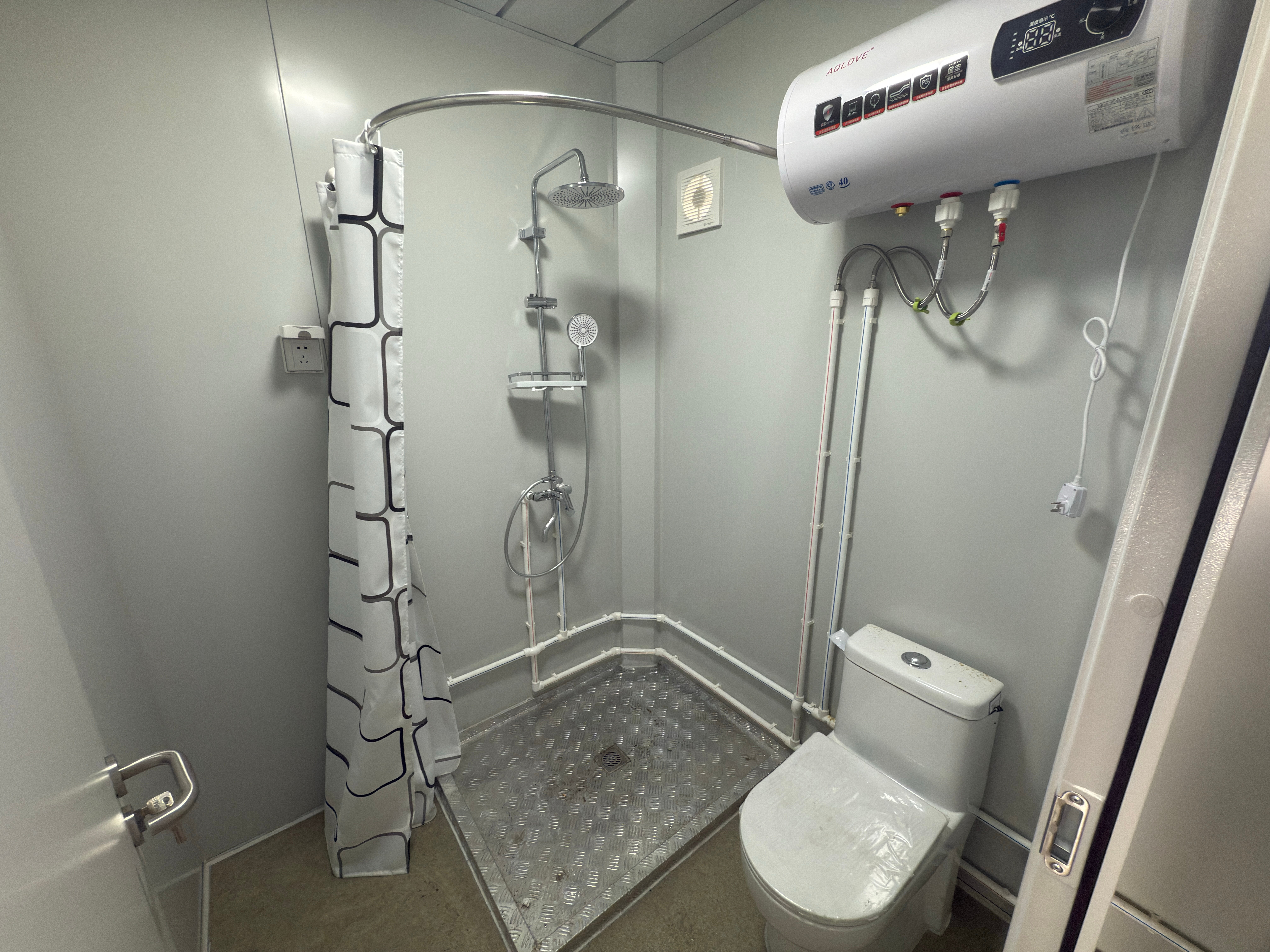
Предустановленной электропроводкой и сантехникой (розетки, освещение, сплит-системы кондиционирования воздуха, черновая установка сантехники в ванных комнатах)
Заранее вырезанными окнами и дверями (герметично запечатано и в рамке)
Звукоизоляция (звуковая изоляция между общими стенами)
Распространённое заблуждение заключается в том, что общежития из сборных контейнеров ощущаются как временные сараи. На самом деле при правильной внутренней облицовке и отделке большинство посетителей не могут отличить их от традиционных зданий — за исключением более коротких сроков строительства.
✅ Победитель: Ничья — Оба варианта обеспечивают высокий уровень комфортности при грамотном проектировании
Традиционные общежития: высокий углеродный след
Производство бетона и стали для традиционных зданий даёт значительные выбросы CO₂. Строительство на площадке порождает отходы — обрезки, упаковочные материалы и излишки стройматериалов.
Общежития из сборных контейнеров: более низкий углеродный след
Сборное строительство с использованием точной заводской резки минимизирует отходы материалов (обычно менее 5 %). Эффективная транспортировка сборных модулей позволяет разместить больше единиц в одном контейнере, снижая объём транспортных выбросов. Кроме того, такие модули можно демонтировать и переместить на другое место вместо сноса, продлевая их срок службы.
✅ Победитель: Модульный спальный корпус в виде плоских сборных контейнеров
Вам требуется срок службы здания 50 лет и более
Местные строительные нормы и правила пока не признают сборные плоские конструкции (flat-pack)
У вас неограниченный бюджет и длительные сроки реализации проекта
Здание никогда не потребуется перемещать или расширять
Вам необходимы жилые помещения быстрый (недели, а не месяцы)
У вас фиксированный или ограниченный бюджет
Возможно, вам потребуется расшириться, переехать или перепродать единиц в будущем
Вы строите рабочий лагерь, студенческое поселок, аварийное укрытие или военную базу
Вы цените контроль качества на заводе выше непостоянного строительства на месте
Вы хотите минимизировать расходы на доставку (плоская упаковка = больше единиц в контейнере)
В целом: общежития из контейнеров с плоской упаковкой являются предпочтительным выбором для большинства современных жилищных проектов — особенно когда приоритетами являются скорость, бюджет, эффективность доставки и гибкость в будущем.
Тем не менее традиционные общежития по-прежнему оправданы для постоянных институциональных зданий со сроком службы 50 лет и более, где перенос конструкции никогда не рассматривается.
На Hebei Modular Green Building Technology Co., Ltd., мы специализируемся на общежития в виде плоских сборных контейнеров с быстрой сборкой которые эффективно транспортируются и могут быть введены в эксплуатацию за несколько дней — от плоской упаковки до заселения.
Мы предлагаем:
✅ Конструкция в виде плоской упаковки для максимальной эффективности транспортировки (более 40 единиц на 40-футовый контейнер)
✅ Быстрая сборка на месте с использованием простых инструментов
✅ Предварительно законченные электрические, сантехнические и теплоизоляционные системы
✅ Гибкая планировка помещений (от 2 до 8 спальных мест в одном модуле)
📞 Свяжитесь с нами сегодня для бесплатного расчёта стоимости или запроса экскурсии по производству.
📩 Электронная почта: [email protected]
🌐 Веб-сайт: mzecohouse.com
📍 Адрес завода: восточная сторона проспекта Хуанхэ, северная сторона улицы Наньхуань, парк Цзуйдун, Зона экономического развития Луаньнань, провинция Хэбэй
 Горячие новости
 EN
EN