Home > News > Industry News
Most problems with water getting into expandable container homes actually come from steel seams and bad welds, making up around 62% of all leaks according to the Modular Construction Institute report from last year. The daily changes in temperature make metal parts swell and shrink by as much as 3 millimeters, which over time really takes a toll on weak or poorly done welds. Sealant materials placed on flat surfaces tend to break down about 43% quicker than ones applied vertically because water just sits there longer, as builders have found through their own experience in the field.
When expansion mechanisms are at work, they tend to create these annoying temporary gaps in alignment that really need proper sealing through good old fashioned precision engineering. Recent research published last year showed something interesting about waterproofing issues - around 12 percent of early failures were actually caused by those undersized gaskets we sometimes see in telescoping wall systems. The newer high performance versions on the market have started incorporating some pretty clever solutions though. They feature these interlocking flange systems capable of handling compression forces above 35 PSI, plus those dual stage rubber gaskets that only activate when deployed properly. And let's not forget the guided alignment pins which help keep everything lined up along the seams so there aren't any weak spots where water might sneak through.
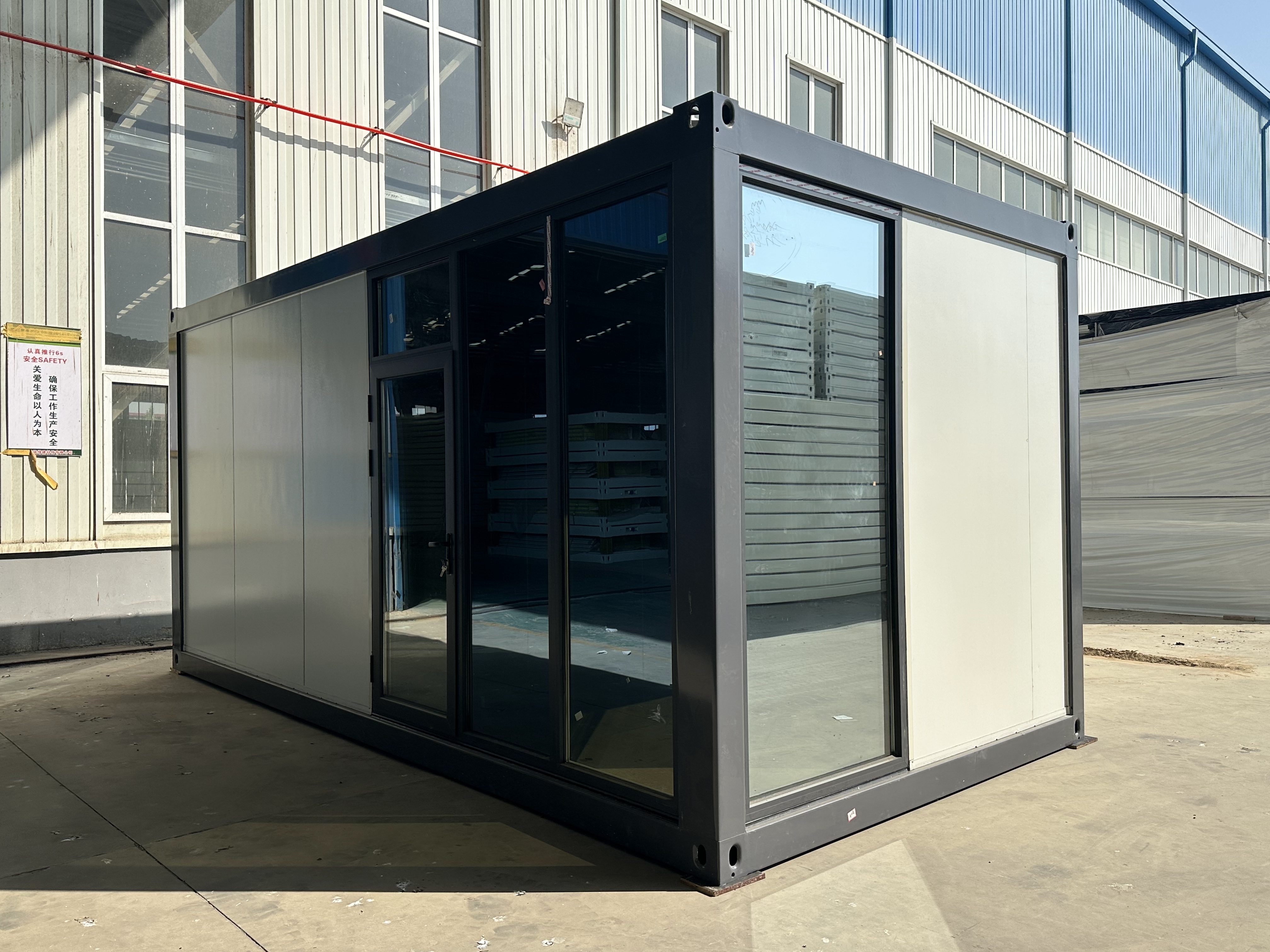
Getting good on site sealing right begins with thorough prep work. Clean those metal surfaces or composites properly first, usually with something like acetone works well. Sometimes primers need to go on too if the surface isn't going to stick properly. After that comes the membranes themselves. Install them with overlaps around 4 to 6 inches wide, held in place by sticky backings. Make sure these sheets cover all the tricky spots like corners and joints completely. The whole point is creating a watertight barrier while still allowing containers to expand naturally as they should. Most contractors find this approach gives reliable protection against moisture ingress without compromising structural integrity during temperature changes.
Dynamic movement demands specialized sealing solutions:
| Component | Best Practice | Performance Impact |
|---|---|---|
| Expansion Joints | Pre-compressed foam tape + polyurethane sealant | Accommodates 30–50mm movement |
| Window/Door Perimeters | Closed-cell backer rod + silicone sealant | Reduces leakage risk by 82% (ASTM 2023) |
Field data shows service penetrations are common leak sources. Professional installation of hybrid sealant systems reduces water damage claims by 67% compared to DIY methods, as confirmed by a 2023 weatherization report.
Seam Mapping
Use UV markers to identify factory-sealed joints and guide field teams accurately.
Sequential Bonding
Apply sealants in order of structural loading—vertical joints first, followed by horizontal ones—to prevent stress-induced separation.
Cross-Layer Verification
Employ moisture meters to detect trapped water between factory-applied and site-added layers.
Pressure Testing
Conduct 24-hour water curtain tests at 35 PSI, exceeding the standard 28 PSI requirement, to validate system integrity.
This structured approach ensures on-site work enhances rather than compromises the original design. Quick-cure sealants now achieve 90% bond strength within four hours, accelerating project timelines without sacrificing durability.
A roof pitch of ≥15° reduces water pooling risks by 30% compared to flat designs, directing rainfall away from vulnerable seams. Combined with integrated gutter systems, sloped roofs can divert over 6,000 liters of water annually from structural joints in moderate climates.
Elastomeric roof coatings resist UV degradation and remain flexible between -40°F and 150°F, preventing cracks that compromise waterproofing. Paired with aluminum-zinc alloy cladding, these materials deliver a service life of up to 25 years, even in coastal environments exposed to salt spray.
Continuous drip edges along roof perimeters and reinforced flashing at wall intersections create a capillary break, effectively blocking water migration into expansion joints. Testing by weatherproof shelter researchers confirms this design reduces moisture intrusion by 89% during wind-driven rain events.
 EN
EN